Skylight Repair & Installation: Bright Solutions for Every Roof
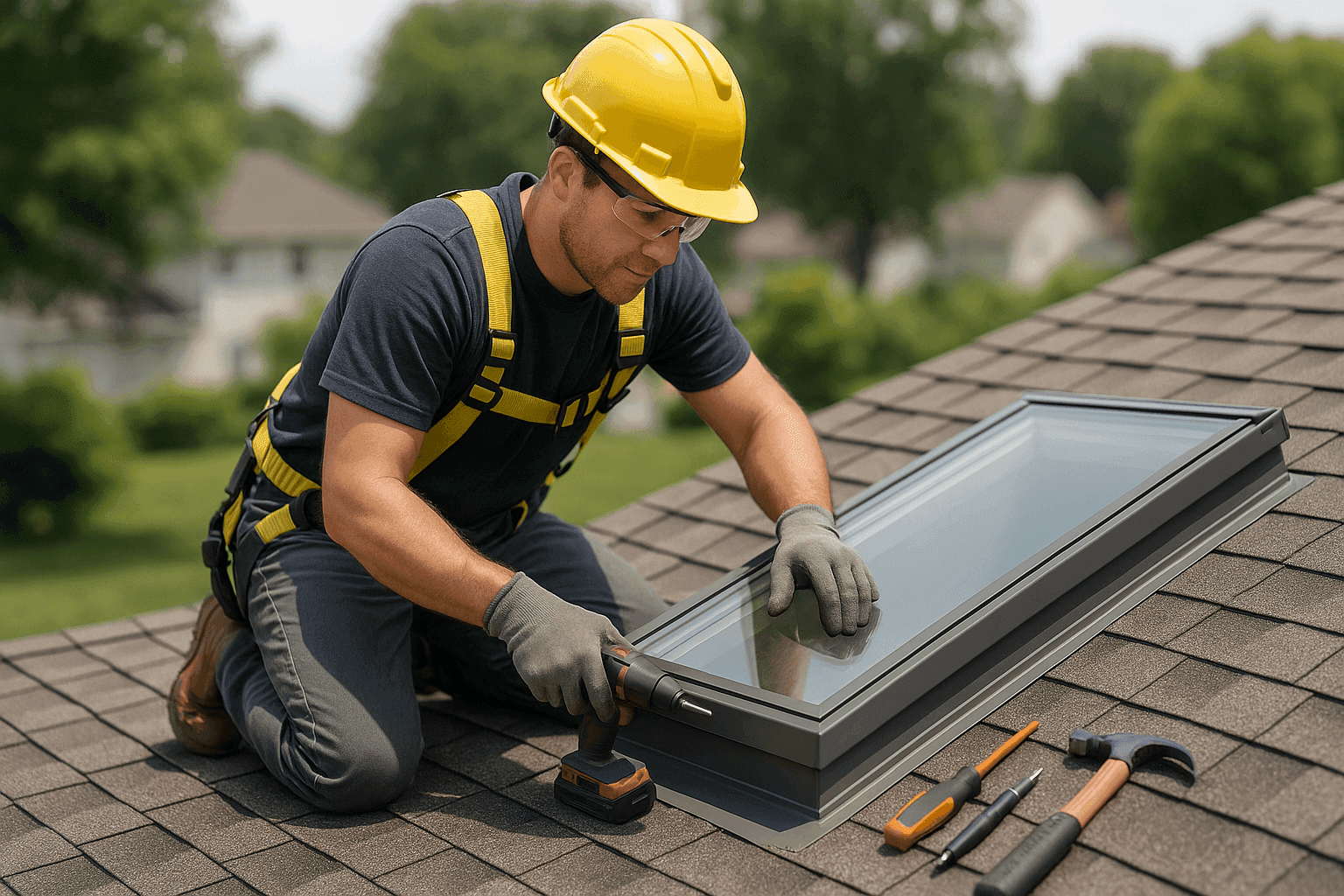
Let’s be honest—when water drips from a skylight, panic hits fast. The ceiling stains, the sense of worry, the mad dash for a bucket. At Sammy Roofing, we’ve seen it all. We know how a peaceful, sunlit morning can turn stormy in minutes. Whether you own a busy storefront or a cozy bungalow, skylight issues don’t wait for a convenient time.
That’s why our emergency roofing team is on call for homes and businesses. Skylight repairs are more than just a patch job—they’re an investment in comfort, safety, and savings. Here’s what you need to know to keep the light bright and the leaks at bay.
Common Skylight Problems & Solutions 🌦️
Even the best skylights aren’t immune to trouble. Think of them like windows on your roof—exposed to sun, rain, wind, and every bit of weather a season can throw.
Typical Issues:
- Leaks: The most dreaded. Often from cracked flashing, aged sealants, or poor installation.
- Condensation: Foggy glass or water droplets inside. Usually a sign of poor ventilation or insulation gaps.
- Cracks & Chips: Hail, falling branches, or even thermal stress can break the glass or acrylic.
- Drafts: Cold air sneaks in. Warm air escapes. Your energy bill climbs.
Solutions That Work:
- Resealing: High-quality, manufacturer-approved sealants restore tightness.
- Flashing Repair: Expert “roof flashing repair near you” means matching the original manufacturer’s specs and using materials compatible with your roofing type (per the International Building Code Section 1507).
- Glass Replacement: For cracks or chips, a new pane is often safer (and more energy efficient) than a patch.
- Ventilation Upgrades: Adding or repairing vents around the skylight can cut down on condensation.
Quick tip: Don’t ignore a small drip. Water finds the path of least resistance, and today’s trickle can become tomorrow’s ceiling collapse.
Benefits of Modern Skylights ☀️
Today’s skylights aren’t just holes in the roof—they’re smart, efficient, and built to last.
Why Upgrade?
- UV Blocking: Modern skylights filter out harmful rays, protecting carpets, furniture, and skin.
- Vented Designs: Open for fresh air when you want it. Seal tight against storms.
- Smart Controls: Some models open or close automatically based on weather or indoor air quality.
- Noise Reduction: Thicker glass and better seals keep outside clatter where it belongs.
- Shatter-Resistant Glass: Meets ASTM F1233 standards for impact.
Homeowners and commercial clients alike see lower energy bills, fewer hot/cold spots, and improved indoor air quality.
Repair vs. Replacement: Making the Call 🔄
How do you know if your skylight is worth saving or needs a new start? Think of it like a classic car—sometimes a tune-up is enough, but other times, the frame’s just too far gone.
Decision Tree:
- Age: Over 20 years? Replacement is usually the best option.
- Repeated Leaks: Multiple repairs in a short time? Consider a new skylight and flashing system.
- Cracked Frame or Multiple Chips: Replacement is safer and more reliable.
- Minor Sealant Failures: Repair is often quick and cost-effective.
If in doubt, schedule a professional inspection. Our emergency roofing team can assess damage and explain your options clearly.
Energy Efficiency and Natural Light
A well-installed skylight is like a free lightbulb—on all day, with none of the electric bill.
Key Considerations:
- Low-E Coatings: Limit heat transfer, keeping interiors comfortable and bills low.
- Proper Installation: Gaps or misaligned flashing lead to leaks and lost energy. The National Roofing Contractors Association (NRCA) recommends following manufacturer guidelines for all roof penetrations.
- Placement Matters: South-facing skylights bring the most light, but can overheat rooms if not properly shaded.
Bonus: Natural light improves mood and productivity—perfect for home offices and retail spaces.
Installation Best Practices 🛠️
A skylight is only as good as its installation. Even the best models will fail if shortcuts are taken.
Checklist for Choosing an Installer:
- Certified & Insured: Ask for proof. Roofing work without insurance is risky.
- Follows Manufacturer Specs: Every brand has its own requirements—don’t settle for “close enough.”
- Local Code Compliance: Your installer should be fluent in residential and commercial building codes (see International Residential Code R905 and International Building Code 1507).
- Experience with Emergency Roofing: Especially important if your roof is steep, flat, or has unique features.
- References: Ask for past project photos or reviews.
On Installation Day:
- Worksite safety per OSHA regulations is a must.
- Proper flashing, sealants, and insulation are non-negotiable.
- Clean-up should leave your home or business spotless—no stray nails, glass, or debris.
Is your skylight leaking, drafty, or due for an upgrade? Don’t wait for the next rainstorm to find out.
Call Sammy Roofing now — or reach us anytime at 877-359-9286 .