Roof Flashing Repair: The Ultimate Homeowner’s Guide
When water sneaks into a building, it doesn’t send a warning. It trickles in quietly, often through the weakest point: your roof flashing. For homeowners and business owners alike, a small leak can quickly become a major headache—damaging walls, ceilings, and even your peace of mind.
At Sammy Roofing, we know the stress of waking up to a drip or finding a stain that wasn’t there yesterday. Roof flashing is your home’s silent shield. But when it fails, you need answers—fast. Here’s your guide to roof flashing repair, packed with practical steps, real-world safety tips, and what to do in an emergency.
What Is Roof Flashing? 🏠
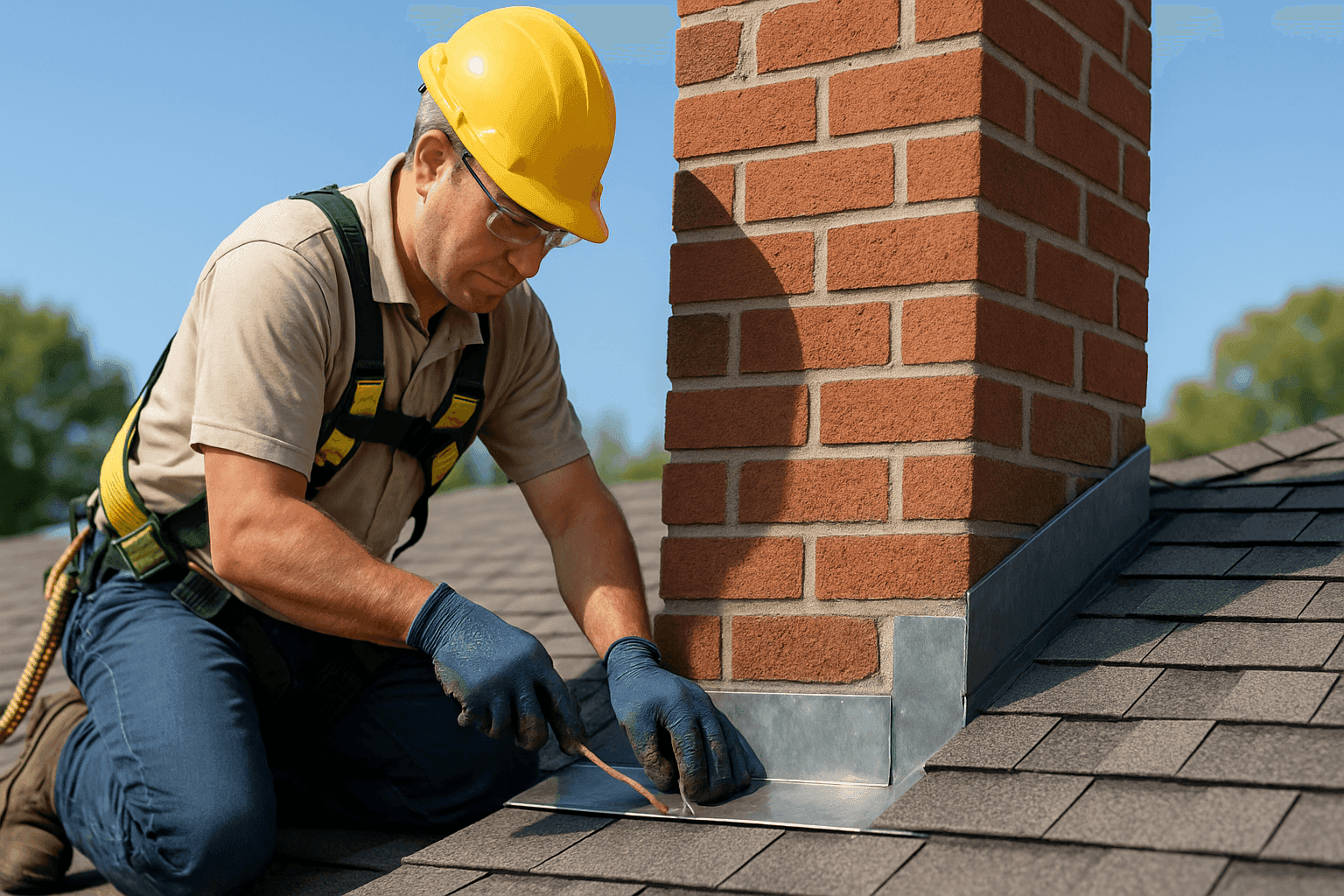
Think of roof flashing as the weatherproof jacket for your house. It’s the thin metal—usually aluminum, galvanized steel, or copper—tucked around chimneys, skylights, vents, and where different roof sections meet. Its job? Directing water away from seams and vulnerable joints, keeping everything beneath safe and dry.
Types of Roof Flashing
- Chimney Flashing: Wraps around the base of your chimney. Without it, rainwater runs down the chimney sides and into your attic.
- Step Flashing: Looks like metal shingles, layered up the side of a wall where it meets your roof.
- Valley Flashing: Runs along the troughs where two roof slopes meet, channeling water away like a riverbank.
- Drip Edge: Mounted along roof edges, guiding water off shingles and into your gutters.
- Skylight Flashing: Forms a watertight border around skylights.
Each type has a specific job, but all share a common enemy: water.
Common Causes of Flashing Failure 🌧️
Flashing doesn’t last forever. Over the years, it can rust, crack, bend, or even slip out of place. Here are the most frequent culprits behind flashing problems:
- Weather Extremes: Heavy storms, hail, and freeze-thaw cycles work together like a tag team, prying flashing loose or causing metal fatigue.
- Poor Installation: If flashing isn’t tucked and sealed correctly, even the best materials can’t hold back water.
- Aging Materials: Metal corrodes, sealants break down, and old caulk dries out—especially on roofs over 15 years old.
- Structural Movement: As your home settles, flashing can pull away from chimneys, walls, or roof valleys.
- Animal Activity: Birds, squirrels, or raccoons might pry up loose flashing looking for shelter.
A single nail out of place or a failed bead of caulk can open the door for leaks.
DIY Inspection Checklist 🔍
Not sure if your flashing needs attention? You don’t need a toolbox—just sharp eyes and a safe ladder. Here’s a step-by-step guide for a quick visual check:
1. Safety First
- Wait for dry weather. Wet roofs are slippery and dangerous.
- Wear shoes with good tread.
- Use a sturdy ladder on level ground, and have someone spot you.
- Never walk on steep or fragile roofs. If in doubt, stay on the ground and use binoculars.
2. What to Look For
- Rust or Corrosion: Orange spots mean metal is breaking down.
- Cracks or Holes: Even tiny splits can let water in.
- Loose or Missing Pieces: Is any flashing bent, lifted, or missing altogether?
- Gaps in Caulk or Sealant: Look for peeling or missing sealant along the flashing edges.
- Water Stains Indoors: Check inside your attic for damp spots or discoloration near chimneys, vents, or skylights.
3. Check Specific Areas
- Around all roof penetrations (chimneys, vents, skylights)
- Valleys where two roof slopes meet
- Along all outer edges and eaves
If you spot any of these signs, don’t ignore them. Even a small issue can lead to big trouble.
Professional vs. DIY Repair
You might be tempted to grab a tube of caulk and fix flashing yourself. Sometimes, that works for tiny gaps. But flashing repair is a bit like repairing the zipper on a winter coat—it only works if every tooth lines up and the fabric is strong.
When DIY Works
- Filling small cracks with roofing sealant
- Replacing a short piece of drip edge (if you’re comfortable and safe on a ladder)
- Resealing visible gaps with roofing caulk
When to Call a Professional
- Large sections of flashing are damaged or missing
- Flashing is around chimneys, skylights, or steep slopes
- There’s evidence of water damage inside your home
- You’re dealing with metal roofs or tile roofs (which require special skills)
Pro Tip: Many local building codes (see International Residential Code, Section R903.2.1) have strict rules for flashing installation. A licensed roofer ensures your repair meets code and keeps your warranty valid.
Preventative Maintenance 🛠️
Think of roof flashing maintenance like a yearly checkup for your car. A little attention now prevents breakdowns later.
Easy Maintenance Tips
- Annual Inspections: Every spring and fall, visually inspect all flashing.
- Clean Gutters and Downspouts: Clogged gutters cause water to back up and sneak under flashing.
- Trim Overhanging Trees: This prevents branches from scraping or lifting flashing in a storm.
- Reapply Sealant: If caulk or sealant looks dry or cracked, touch it up with a high-quality roof sealant.
- Check After Storms: After heavy winds or hail, scan for any loose or bent flashing.
Signs It’s Time for Preventative Work
- Roof is over 10 years old
- You notice frequent debris buildup on the roof
- You’ve had previous leaks or repairs
Stay a step ahead—small repairs now can save you from emergency roofing calls later.
What To Do In an Emergency ⚡
Sometimes, leaks appear suddenly—after a storm, during a thaw, or when you least expect them. Here’s what to do:
- Contain the Water: Place buckets or towels to prevent further interior damage.
- Protect Belongings: Move valuables away from the leak.
- Temporarily Patch from Inside: If you can reach the attic safely, use roofing tape or a waterproof tarp to slow the leak.
- Call Emergency Roofing Services: Fast response is key to minimizing damage. Search for “Roof Flashing Repair near you” to get a local pro on site.
Tip: Never try to patch or inspect a roof during a storm. Wait until conditions are completely safe.
Costs & Time Factors
Roof flashing repair costs and timelines can vary widely. Here’s what impacts the price and speed:
- Type of Flashing: Chimney and skylight flashing repairs are more complex than drip edge fixes.
- Extent of Damage: Replacing a few feet of flashing takes a few hours; large-scale repairs or water damage restoration can stretch into days.
- Material Used: Copper flashing costs more than galvanized steel or aluminum.
- Accessibility: Steep roofs or multi-story buildings require extra safety measures.
Most simple repairs take a few hours. Major replacements or water damage restoration may take a full day or longer. For emergencies, a crew can usually patch leaks quickly, then schedule a full repair when weather improves.
Local & Seasonal Considerations
Flashing problems don’t look the same everywhere. In areas with freezing winters, thawing ice can pry up flashing and create leaks. Coastal homes fight salt air and corrosion. Urban buildings often deal with debris and backed-up gutters.
After hailstorms, always inspect for new dents, bends, or dislodged flashing. If you’re in a region with high winds, check for loose metal after every big blow.
Routine maintenance should adjust with the seasons. In winter, keep gutters free of ice dams. In spring and fall, clear debris and do a full visual inspection.
FAQ
How long does roof flashing last?
Well-installed flashing with quality materials can last 15–30 years. But severe weather, poor installation, or lack of maintenance can shorten that lifespan.
Can I patch flashing with caulk alone?
Caulk can seal minor gaps temporarily, but it’s not a permanent fix. If flashing is bent, rusted, or missing, the only real solution is proper repair or replacement.
Why does flashing fail after a storm?
High winds, hail, and heavy rain can bend, loosen, or even rip flashing out of place. Water works its way into the smallest gap, making fast repairs critical.
Is flashing repair covered by insurance?
Many homeowners’ policies cover sudden, accidental damage—like storm impacts. But regular wear and tear or lack of maintenance usually aren’t covered. Check your policy for details.
Roof flashing may be out of sight, but it should never be out of mind. Regular inspections and prompt repairs keep small leaks from becoming big problems. If you spot trouble or need emergency roofing, don’t wait.
Call Sammy Roofing now — or reach us anytime at 877-359-9286 .