Shingle Roofing: Repair, Replacement, and Upkeep Tips
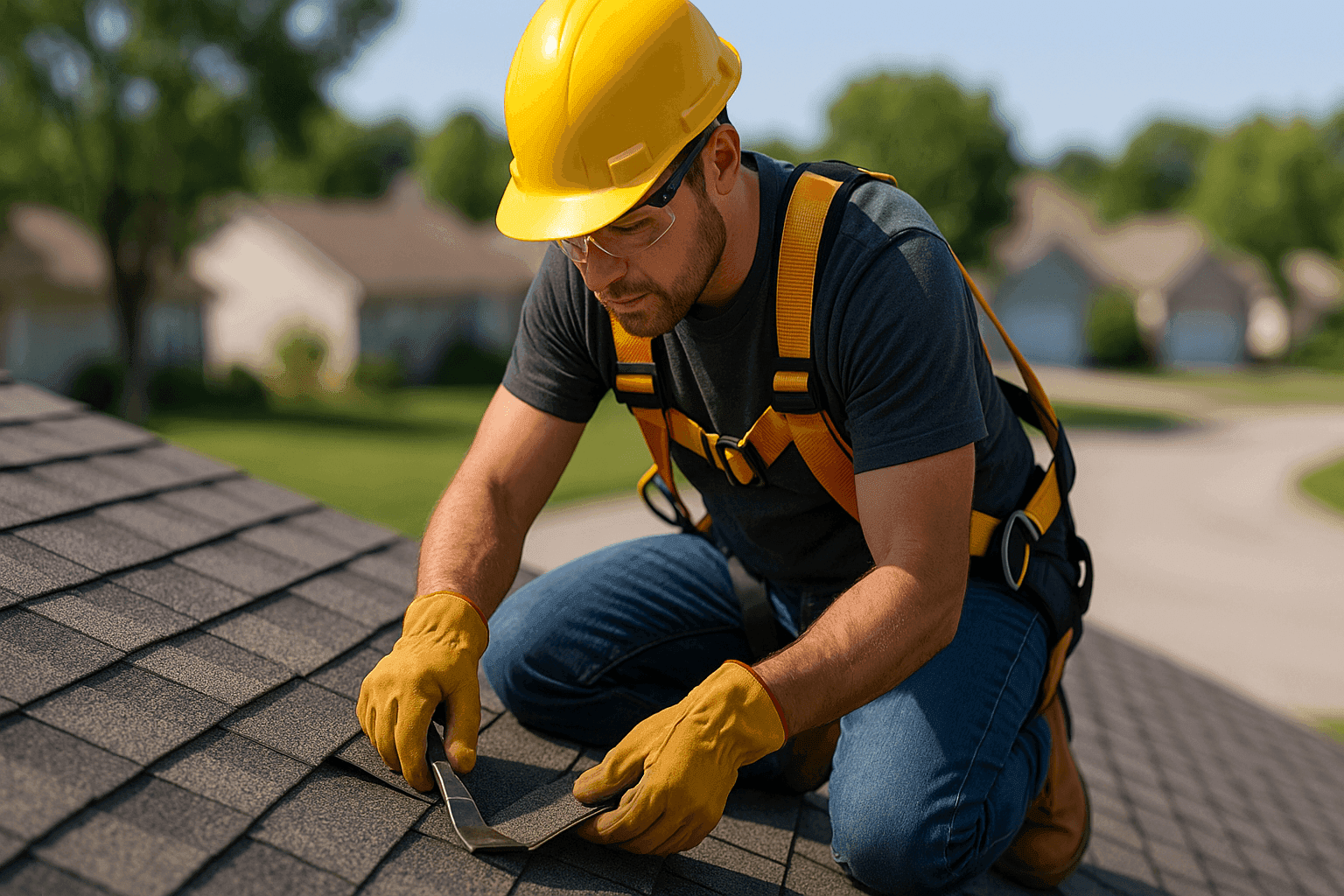
A roof isn’t just another part of your home or business. It’s the shield that stands between you and the storm. When shingles fail—whether from age, hail, or wind—your entire investment is on the line. At Sammy Roofing, we know how fast a small leak can become an emergency roofing call.
You don’t have to be a roofing expert to protect what matters most. With the right knowledge, you’ll spot trouble early, make smart repair decisions, and extend your roof’s life—all while staying safe and dry.
Types of Shingle Roofing 🏠
Not all shingles are created equal. Each type has its own strengths, looks, and best uses. Let's break it down:
Asphalt Shingles
The classic choice. Affordable, reliable, and available almost everywhere. Asphalt shingles come in two main styles:
- 3-Tab Shingles: Flat, uniform, and lightweight. They’re like the basic denim jeans of roofing—dependable but not flashy.
- Architectural (Dimensional) Shingles: Thicker and layered for a textured look. They last longer and stand up better to wind and weather.
Specialty Shingles
Some roofs need more than just the basics:
- Impact-Resistant Shingles: Built for hail zones. Tested to meet UL 2218 standards, these are a smart pick if storms roll through your area.
- Energy-Efficient Shingles: Reflect more sunlight, keeping your building cooler and lowering energy bills.
Other Materials
- Metal Shingles: Lightweight, fire-resistant, and long-lasting. Great for both residential and commercial roofs.
- Tile and Composite Shingles: Durable and stylish, but heavier. Often used where architectural style matters most.
When choosing, think about climate, building codes (check the International Building Code or your local authority), and what you want to invest. A good shingle roof can last 20–50 years with proper care.
Signs Your Shingles Need Repair 🛑
Shingles are like the skin of your roof. When they’re compromised, trouble sneaks in fast.
Look for these warning signs:
- Curling or Buckling: Edges turn up or middle rises. This is often from heat, moisture, or old age.
- Missing Shingles: Wind or animals can pull them free, leaving gaps for water.
- Granule Loss: See bald spots or a gritty mess in gutters? That’s the protective topping washing away.
- Cracks or Splits: Usually from sun and temperature swings.
- Dark Streaks or Moss: Algae, mold, or moss signal trapped moisture.
If you spot more than a couple of these, your roof may need attention soon. Fast action can mean the difference between a minor repair and a major emergency roofing job.
Repair vs. Replacement: How to Decide
Sometimes it’s a simple patch. Other times, it’s like fixing one tile in a broken mosaic—ineffective and costly in the long run. Here’s how to tell the difference.
When a Repair Makes Sense
- Damage is limited to a small area (less than 25% of the roof).
- The rest of the shingles are still flexible and in good shape.
- No signs of widespread leaks, rot, or mold under the surface.
When It’s Time to Replace
- Shingles are curling, cracking, or missing across large sections.
- You see daylight through your attic boards.
- The roof is over 20 years old and repairs keep stacking up.
- Granule loss is widespread, leaving shingles bare.
The National Roofing Contractors Association (NRCA) recommends a full replacement if structural decking, underlayment, or flashing is also compromised. Piecemeal fixes can leave you exposed to bigger problems later on.
Maintenance Tips for Long Life 🧰
A little care goes a long way. Imagine your roof like a car—routine checks and tune-ups keep it running smoother, longer.
DIY Maintenance Checklist
- Inspect Twice a Year: Spring and fall are best. Use binoculars from the ground if possible.
- Clean Gutters and Downspouts: Clogged gutters mean water backup, which can rot fascia and shingles.
- Trim Overhanging Branches: Keeps debris—and squirrels—off your roof.
- Check for Moss or Algae: Use a gentle roof cleaner, not a pressure washer.
- Look for Loose Flashing: Especially around chimneys, skylights, and vents.
- After Big Storms: Walk the property and look for shingle debris or damage.
If you’re unsure, call for a professional roof inspection. OSHA recommends working from the ground or using proper fall protection if you must climb.
Proactive Repairs
Catch small issues before they grow. Replace cracked shingles, reseal flashing, and patch nail pops. Preventative maintenance now can save thousands in emergency roofing costs later.
Choosing Quality Shingles
Not all shingles are created equal—and the difference isn’t just in the price tag.
What to Look For
- Manufacturer Reputation: Top brands like GAF, CertainTeed, and Owens Corning set industry standards for durability and warranty support.
- Wind and Impact Ratings: Look for UL or ASTM labels.
- Warranty Terms: Read the fine print. Some offer up to 50 years, but only if installed by certified pros and maintained per guidelines.
- Style and Color: Lighter colors reflect more sunlight. Darker shingles can hide stains but may get hotter.
Real-World Stories
One of our commercial clients chose architectural shingles with a high wind rating after two costly repairs. Three years and several storms later, their roof is still going strong—no more emergency calls, just peace of mind.
FAQs
How long should a shingle roof last?
With proper installation and care, most asphalt shingle roofs last 20–30 years. Specialty and architectural shingles can go even longer.
Is it safe to walk on my shingle roof?
Only if you’re trained and have the right safety gear. Sloped roofs and loose shingles are dangerous—leave inspections and repairs to professionals when in doubt.
What’s the biggest cause of shingle failure?
Weather. Wind, hail, and sun do the most damage. Poor attic ventilation can also shorten a roof’s life.
Can I repair just a few shingles myself?
Small jobs—like replacing a couple of cracked shingles—are possible if you’re handy and have proper safety equipment. But if damage is widespread or you see signs of leaks, call emergency roofing services near you.
Local and Seasonal Considerations 🌦️
Different seasons bring different challenges. In snowy regions, ice dams and heavy loads test your shingles’ limits. Humid areas encourage moss and algae growth. Storm-prone zones? Invest in impact-resistant shingles and keep up with regular inspections.
If you’re in a hurricane or tornado-prone area, check your local building codes for wind rating requirements. The Insurance Institute for Business & Home Safety (IBHS) is a valuable resource for storm preparation guidelines.
Final Thoughts
A strong shingle roof is one of your best home or business investments. With a watchful eye and regular care, you’ll keep leaks and emergencies at bay. And when the unexpected happens, Sammy Roofing is here—day or night—with emergency roofing and roof flashing repair near you.
Call Sammy Roofing now — or reach us anytime at 877-359-9286 .