Seasonal Roof Maintenance Checklist: Protect Your Home Year-Round
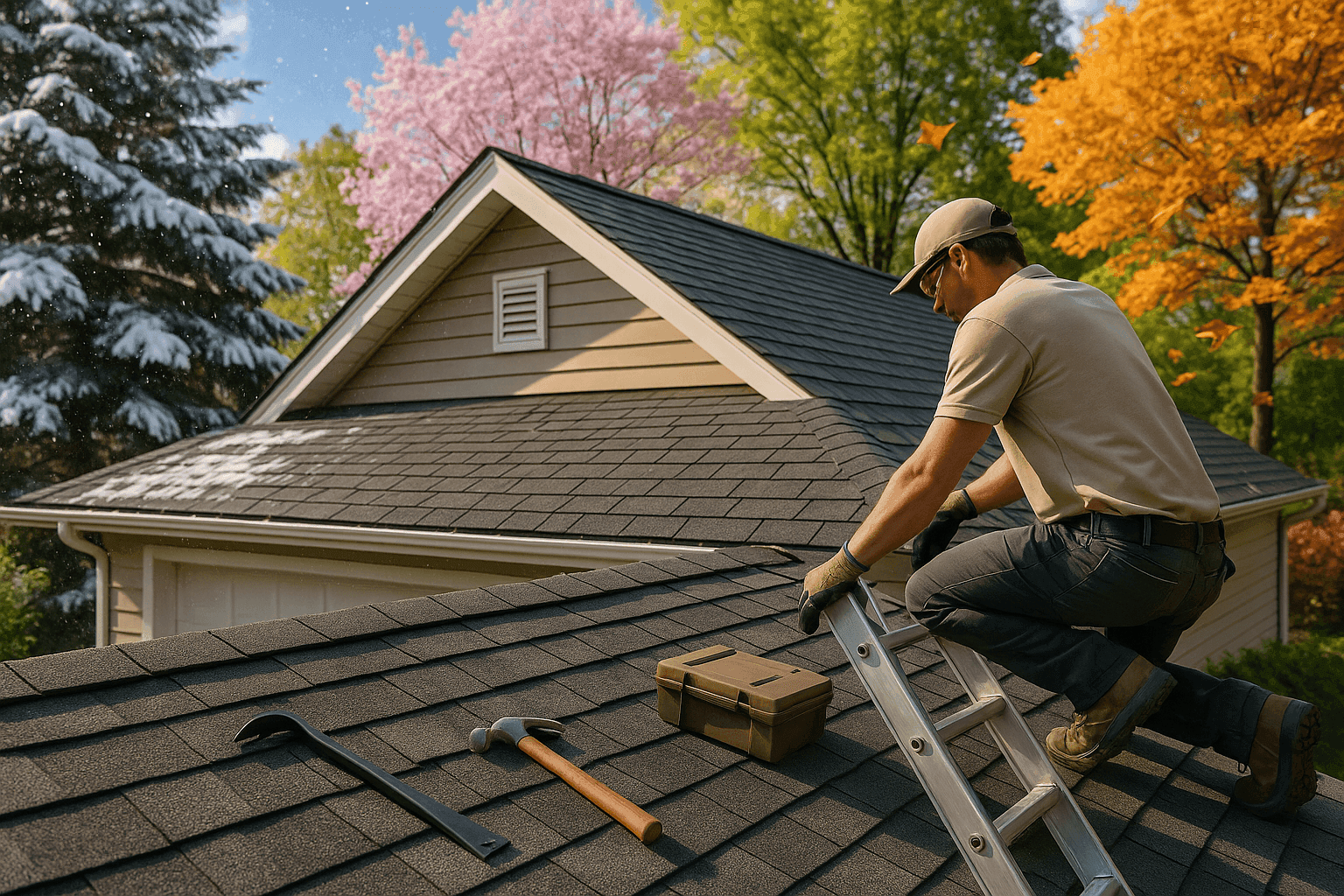
When it comes to your roof, out of sight shouldn’t mean out of mind. The difference between a cozy home and a costly disaster often comes down to what you do before trouble starts. At Sammy Roofing, we know small problems can snowball fast—especially when wild weather shows up at your door.
Think of your roof like a shield. It faces wind, rain, blazing sun, and ice—all year long. Regular maintenance isn’t just a chore; it’s the secret weapon that keeps your home or business safe, dry, and comfortable. Here’s your step-by-step, season-by-season guide to roof care, packed with tips straight from our team.
Why Seasonal Roof Maintenance Matters 🏠
Roofs are like unsung heroes. They take the hits so you don’t have to. But even the toughest roof needs a little attention. Neglect leads to leaks, mold, energy loss, and even emergency roofing calls in the middle of the night.
Routine seasonal checks help you:
- Catch small issues before they become expensive repairs
- Boost your roof’s lifespan
- Improve energy efficiency and comfort
- Avoid surprises after a storm or heavy snowfall
The National Roofing Contractors Association (NRCA) recommends at least two roof inspections per year—spring and fall—for good reason. Weather patterns change, and with them, the risks to your roof.
Spring Roof Maintenance Checklist 🌷
Spring is a time for fresh starts—and that includes your roof. Winter can leave behind hidden damage, so now’s the moment to check for problems before summer storms roll in.
Inspect for Winter Damage
- Look for cracked, missing, or curling shingles
- Check for loose or damaged flashing around chimneys, skylights, and vents
- Scan for signs of leaks or water stains in your attic and ceilings
Clean Gutters and Downspouts
- Remove leaves, twigs, and debris from gutters
- Make sure downspouts direct water away from your foundation
- Check for sagging gutters or loose fasteners
Assess Ventilation and Insulation
- Ensure attic vents aren’t blocked by insulation or debris
- Look for signs of moisture or mold in the attic
- Confirm insulation is dry and evenly distributed
Examine Sealants and Coatings
- Inspect around roof penetrations (vents, pipes, skylights) for cracked or missing sealant
- Touch up as needed to prevent leaks
Schedule a Professional Inspection
Not all damage is easy to spot. A professional eye can catch what you might miss—especially after a rough winter.
Summer Roof Maintenance Checklist ☀️
Summer heat can be brutal on roofing materials. The sun’s UV rays, sudden storms, and high humidity all take their toll.
Check for Heat Damage
- Look for blistered, buckled, or faded shingles
- Inspect flat roofs for bubbling or soft spots
- Watch for signs of algae or moss growth
Clean and Inspect Skylights
- Wipe down skylight glass and check for cracks
- Ensure flashing around skylights is tight and leak-free
Gutter and Downspout Maintenance
- Clear out any debris from late spring storms
- Test downspouts by running water through them
Inspect Roof Decking
- Look for soft spots or sagging areas that could signal rot beneath the surface
Emergency Preparedness
- Keep emergency roofing supplies (tarps, sealant, basic tools) on hand
- Know your roofer’s number in case summer storms cause sudden leaks
Fall Roof Maintenance Checklist 🍂
Fall is about preparation. As leaves fall and temperatures drop, your roof needs to be ready for what’s next.
Remove Leaves and Debris
- Clean gutters and downspouts again—falling leaves are relentless
- Remove debris from roof valleys and flat sections
Inspect Shingles and Flashing
- Look for loose, missing, or damaged shingles
- Check flashing and sealant for wear
Inspect Attic and Insulation
- Make sure there’s no evidence of pests or moisture
- Confirm insulation is in good shape for winter
Check Roof Penetrations
- Inspect around chimneys, vents, and skylights for gaps or deterioration
Schedule a Pre-Winter Inspection
A professional checkup now can prevent winter headaches. According to the International Association of Certified Home Inspectors (InterNACHI), fall is the ideal time to address roof issues before snow and ice arrive.
Winter Roof Maintenance Checklist ❄️
Winter is when your roof faces its toughest tests. Ice, snow, and freezing temperatures can turn small issues into emergencies.
Prevent Ice Dams
- Keep gutters clear to allow melting snow to drain
- Add insulation to prevent warm air from escaping and melting snow unevenly
Monitor for Leaks and Water Spots
- Check ceilings and attic regularly for signs of moisture
- Address leaks immediately to prevent structural damage
Remove Heavy Snow Safely
- Use a roof rake to gently remove excess snow from eaves and valleys
- Never use sharp tools that could damage shingles
Inspect Ventilation
- Ensure attic vents are open and unobstructed to reduce condensation
Emergency Roofing Readiness
- If you spot a leak or damage, call for emergency roofing help right away—don’t wait for things to thaw
Quick Safety Checklist
Before you climb a ladder or grab your toolbelt, pause. Safety matters more than speed. Here’s what to check:
- Use a sturdy, well-placed ladder on stable ground
- Wear shoes with good grip
- Never work on a wet, icy, or windy roof
- Avoid working alone—have someone nearby in case of trouble
- Be mindful of power lines and overhead hazards
For detailed safety tips, consult resources from the Occupational Safety and Health Administration (OSHA).
DIY vs. Call a Professional
Some tasks—like cleaning gutters or spotting obvious shingle damage—are safe for handy homeowners. But roofs can be tricky. They’re high up, slippery, and complex.
DIY is fine for:
- Gutter cleaning (with proper ladder safety)
- Visual inspections from the ground
- Clearing small amounts of debris
Call a professional for:
- Any work involving heights or steep slopes
- Leak repairs and storm damage
- Flashing, sealant, or structural repairs
- Inspections before buying or selling a property
Remember, what looks simple on YouTube can turn risky fast. Pros have the right tools, training, and safety gear.
What Roofing Pros Do On Arrival
When you call Sammy Roofing, here’s what happens:
- Assessment: We inspect your entire roof—shingles, flashing, gutters, skylights, and attic.
- Documentation: Photos and notes help us explain what we find.
- Recommendations: We outline urgent repairs, maintenance needs, and preventative steps.
- Repairs: With your approval, we get to work—using quality materials and following industry safety standards.
- Cleanup: No mess left behind. We treat your property with respect.
We follow guidelines from the National Roofing Contractors Association and manufacturer specs to ensure your roof stays in top shape.
Prevention & Maintenance: Your Year-Round Plan
A little prevention goes a long way. Here’s how to keep your roof healthy:
- Clean gutters and downspouts every spring and fall
- Inspect your attic for leaks, moisture, or pests twice a year
- Trim branches that hang over your roof to prevent damage
- Check after storms for missing shingles or debris
- Keep records of inspections and repairs
Regular maintenance can add years to your roof’s life and help you avoid emergency roofing calls in the dead of night.
Costs & Time Factors
Roof maintenance doesn’t have to break the bank. Most seasonal tasks take a few hours and basic supplies. Professional inspections and minor repairs are affordable compared to the cost of emergency fixes or full roof replacements.
- Gutter cleaning: 1–2 hours
- Basic inspection: 1–2 hours
- Minor shingle or flashing repairs: 2–4 hours
- Professional inspection: Typically half a day
Major repairs or replacements depend on roof size, materials, and weather. Investing a little time each season saves big money down the road.
When It’s an Emergency
Sometimes, the unexpected happens. Storms rip off shingles. A tree branch crashes down. Water starts dripping inside—fast.
Signs you need emergency roofing help:
- Sudden leaks or water pouring in
- Missing or torn shingles after a storm
- Roof sagging or visible structural damage
- Chimney or skylight flashing pulled away
If you see these, don’t wait. Emergency roofing services can stop the damage from spreading and protect your home or business until permanent repairs are made.
Frequently Asked Questions
How often should I inspect my roof?
Twice a year—spring and fall—plus after major storms. Regular checks help you catch problems early.
What are early signs of roof trouble?
Look for missing or cracked shingles, loose flashing, water stains on ceilings, or granules in gutters. If you see any of these, schedule an inspection.
Can small leaks wait until spring?
No. Even a tiny leak can cause big problems fast—mold, rot, and ruined insulation. Address leaks as soon as you spot them.
Is roof maintenance different for flat and sloped roofs?
Yes. Flat roofs need extra attention for ponding water and membrane wear. Sloped roofs face shingle, flashing, and gutter issues. Both need regular checks.
Special Considerations for Roof Maintenance
- Eco-Friendly Options: Ask about cool roof coatings or recycled shingles to boost efficiency and sustainability.
- Commercial vs. Residential: Larger, flat commercial roofs may need more frequent inspections, especially around HVAC units and drains.
- Historic or Unique Materials: Tile, metal, and specialty roofs require special care and materials.
- Insurance: Keep records and photos of maintenance for insurance claims after storms or accidents.
No two roofs are exactly the same. Materials, age, and design all play a role in what your roof needs—so tailor your checklist to fit.
Call Sammy Roofing now — or reach us anytime at 877-359-9286 .