Roof Sealants and Coatings: Boost Protection & Efficiency
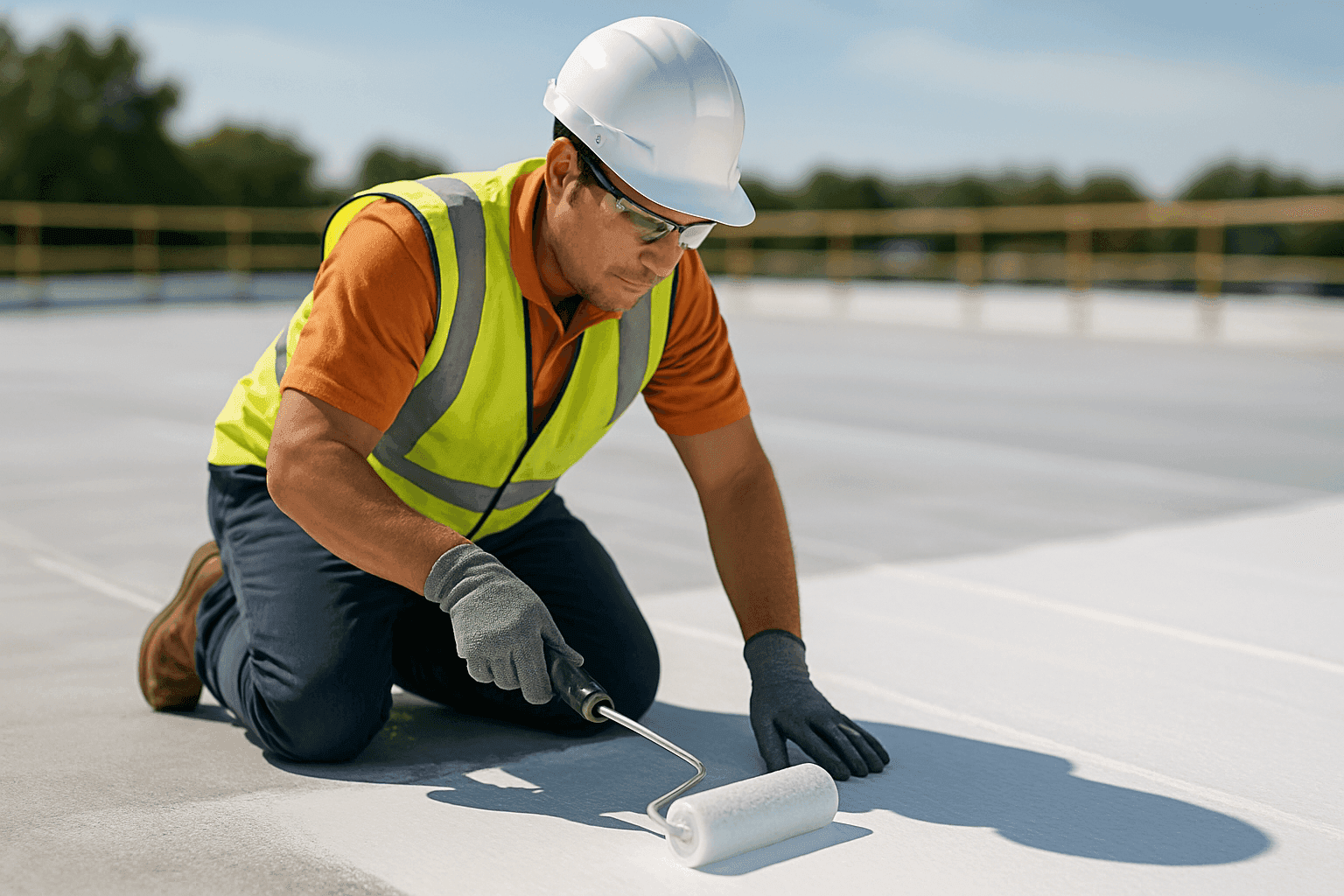
When the sky opens up with pounding rain or the sun beats down for weeks, your roof stands guard over everything you value. At Sammy Roofing, we’ve seen how the right sealants and coatings can mean the difference between a safe, dry home or business—and a big, expensive problem.
Leaks don’t wait for a convenient time. When you need emergency roofing or roof flashing repair near you, knowing how to keep your roof protected can save stress, money, and time.
What Are Roof Sealants & Coatings? 🛡️
Think of roof sealants and coatings as a raincoat for your building. They form a protective layer over your roof, sealing tiny cracks, joints, and seams that water loves to find. These products are applied directly to the surface—flat roofs, metal, tile, shingle, you name it.
Sealants are thick, sticky substances. They're used to fill gaps, especially around flashing, vents, skylights, and seams.
Coatings are like paint with superpowers. They're rolled or sprayed over large areas to create a continuous, durable layer.
Together, they can:
- Stop leaks fast
- Shield from sun and rain
- Prevent rust and mildew
- Extend the life of new and aging roofs
Types and Uses (Acrylic, Silicone, Elastomeric)
Not all roofs are the same—neither are sealants and coatings. Here’s what you’ll see most often:
Acrylic Coatings
Acrylics are the most common. Picture a white, reflective paint that helps bounce back sunlight and heat. They're water-based, environmentally friendly, and work well on sloped shingle roofs or metal.
Best for:
- Moderate climates
- Energy savings
- Flat and low-slope roofs
Silicone Coatings
Silicone is the workhorse for roofs that see a lot of standing water. It stays flexible and won’t wear out when wet. Heavy rain? No problem.
Best for:
- Flat roofs
- High rainfall areas
- Metal and single-ply membranes
Elastomeric Coatings
The rubber band of roof coatings. Elastomeric stretches and snaps back, so it’s perfect for roofs that expand and contract with temperature swings. It also bridges small cracks and prevents future splits.
Best for:
- Older roofs with minor cracks
- Extreme hot/cold climates
- Tile, metal, or shingle roofs
Hot tip: Always check for compatible materials. Some sealants don’t play well with certain roof types. Refer to manufacturer specs and roofing codes from the International Building Code (IBC) for safety.
Benefits: Waterproofing, UV, Energy Savings ☀️
Why bother with roof sealants or coatings? The benefits stack up:
- Waterproofing: Stops leaks before they start. Especially crucial for flat roofs and older flashing.
- UV Protection: Prevents sun damage—think of it as SPF for your roof.
- Energy Savings: Reflective coatings can drop rooftop temps by 50°F or more. That means less strain on your AC and lower bills.
- Longevity: Coatings can add 5–15 years to your roof’s life, delaying costly replacement.
- Mold & Moss Resistance: Sealed roofs dry faster, limiting growth of moss, algae, and mildew.
- Eco-Friendly Options: Many modern products are low-VOC and ENERGY STAR® certified.
DIY vs. Professional Application
You might wonder: Can I do this myself, or should I call Sammy Roofing?
DIY Application
- Good for: Tiny repairs, sealing a vent, or patching a small crack.
- Risks: Missed spots, wrong product, or poor prep can make leaks worse.
- Tools: Caulk gun, roller, brush, ladder, safety gear.
Professional Application
- Best for: Large areas, flat roofs, or when you’ve had leaks before.
- Benefits:
- Precise prep and cleaning—no hidden dirt or debris
- Correct product for your climate and roof material
- Even coverage for long-lasting protection
- Compliance with building codes and manufacturer warranty
Unless it’s a minor fix, most jobs need a pro. Incorrect application can void warranties or lead to hidden water damage.
Maintenance and Reapplication Timeline 🕒
Even the best coating won’t last forever. Here’s what to expect:
- Acrylic: Reapply every 5–7 years, or sooner if you see fading or cracking.
- Silicone: 10–15 years, but inspect yearly for debris or punctures.
- Elastomeric: 7–10 years, with annual inspections.
Maintenance steps:
- Visual check each season: Look for cracks, bubbles, or peeling.
- Clear debris: Leaves, branches, and standing water reduce effectiveness.
- Professional inspection: At least once a year—especially after storms.
- Prompt repairs: Patch small issues before they grow.
Regular care keeps your roof’s “raincoat” strong and reliable.
Which Roofs Benefit Most?
Some roofs practically beg for sealants and coatings:
- Flat roofs: Vulnerable to ponding water and slow drainage.
- Low-slope commercial roofs: Often covered in single-ply membranes or built-up layers.
- Metal roofs: Expand and contract with heat—sealant fills joints and seams.
- Aging shingle or tile roofs: Coatings can hold things together and prevent further damage.
If you’ve had recurring leaks, or your roof feels like a sun-baked skillet in summer, coatings could be the answer.
Before & After: Visual Results
Imagine a flat roof, streaked with dirt and faded paint. After prepping the surface, we apply a brilliant white elastomeric coating. The next day, the building interior feels cooler. Rainwater beads and rolls away instead of seeping in.
Before:
- Stains, cracks, and brittle patches
- Hot, stuffy rooms below
- Ongoing leaks after heavy storms
After:
- Smooth, bright, seamless surface
- Noticeably cooler attic or workspace
- Leaks stopped—even after downpours
Results like these aren’t just for show. They mean less risk of emergency roofing costs and greater peace of mind.
Lifecycle Cost Breakdown
Some business owners hesitate at the upfront price. Here’s what you’re really paying for:
- Initial application: Coating a flat commercial roof is usually 10–30% the cost of full replacement.
- Ongoing care: Annual inspections and minor patching.
- Delayed replacement: Stretch your roof’s lifespan by years, postponing major construction.
- Energy savings: Lower cooling bills, year after year.
In most cases, the total cost over 10–15 years with coatings is far less than repeated leak repairs, energy waste, or early replacement.
Regional Tips: Hot, Cold, & Damp Climates 🌦️
Your local weather matters. Here’s how to choose wisely:
- Hot climates: Go for highly reflective coatings—think acrylic or elastomeric. They’ll keep your building cooler and reduce heat stress.
- Cold climates: Elastomeric is your friend. Its flexibility handles freeze-thaw cycles without cracking.
- Damp or rainy regions: Silicone resists ponding and mold better than most. Great for flat roofs or shaded areas.
Always check local building codes. For example, the National Roofing Contractors Association (NRCA) and International Building Code (IBC) offer guidance on compatible products and safe application.
Product Certifications & Case Studies
At Sammy Roofing, we use products that meet ASTM International standards and carry ENERGY STAR® ratings for efficiency. Our crews are trained to follow OSHA safety guidelines on every job.
Case study:
A local school’s flat roof leaked for years. After a silicone coating, leaks stopped—even after record rainfall. Energy costs dropped by 15%. The district postponed full replacement by a decade.
When To Use Sealants & Coatings
- Small leaks or cracks: Sealant now can prevent costly damage later.
- Aging roof, but not ready for replacement: Coatings add protection and buy time.
- Energy bills climbing: Reflective coatings are a smart investment.
- After storm damage: Emergency roofing teams can seal up trouble spots fast.
DIY vs. Professional Application: Quick Guide
- DIY: Tiny areas, easy access, confident with ladders and safety.
- Professional: Whole roof, multiple leaks, or if warranty/insurance is at stake.
Maintenance Intervals: What to Expect
- Inspect every season.
- Clean debris after storms.
- Schedule professional review once a year.
Frequently Asked Questions
How long do roof coatings really last?
Most quality coatings last 5–15 years, depending on the product and weather. Regular checks can catch problems early and extend their life.
Will coatings fix all leaks?
They’re great for surface leaks, minor cracks, and seams. But if water is coming in through major structural damage, you’ll need repairs first.
Are coatings safe for all roofs?
Not always. Some older materials (like certain asphalt or tar roofs) may not bond well. A professional inspection will confirm what’s best for your building.
Can coatings lower my energy bill?
Yes—especially in sunny areas. Reflective coatings bounce back sunlight and heat, making interiors cooler and reducing AC costs.
Seasonal & Local Considerations
Don’t wait for the next storm or heat wave. Schedule maintenance or application during dry, mild weather for best results. In hurricane-prone regions, proactive sealing can help prevent emergency roofing disasters.
Always check with local building authorities for permits or guidance specific to your area.
Ready to boost your building’s protection—and maybe your peace of mind?
Call Sammy Roofing now — or reach us anytime at 877-359-9286 .