Residential Roofing: Everything Homeowners Need to Know
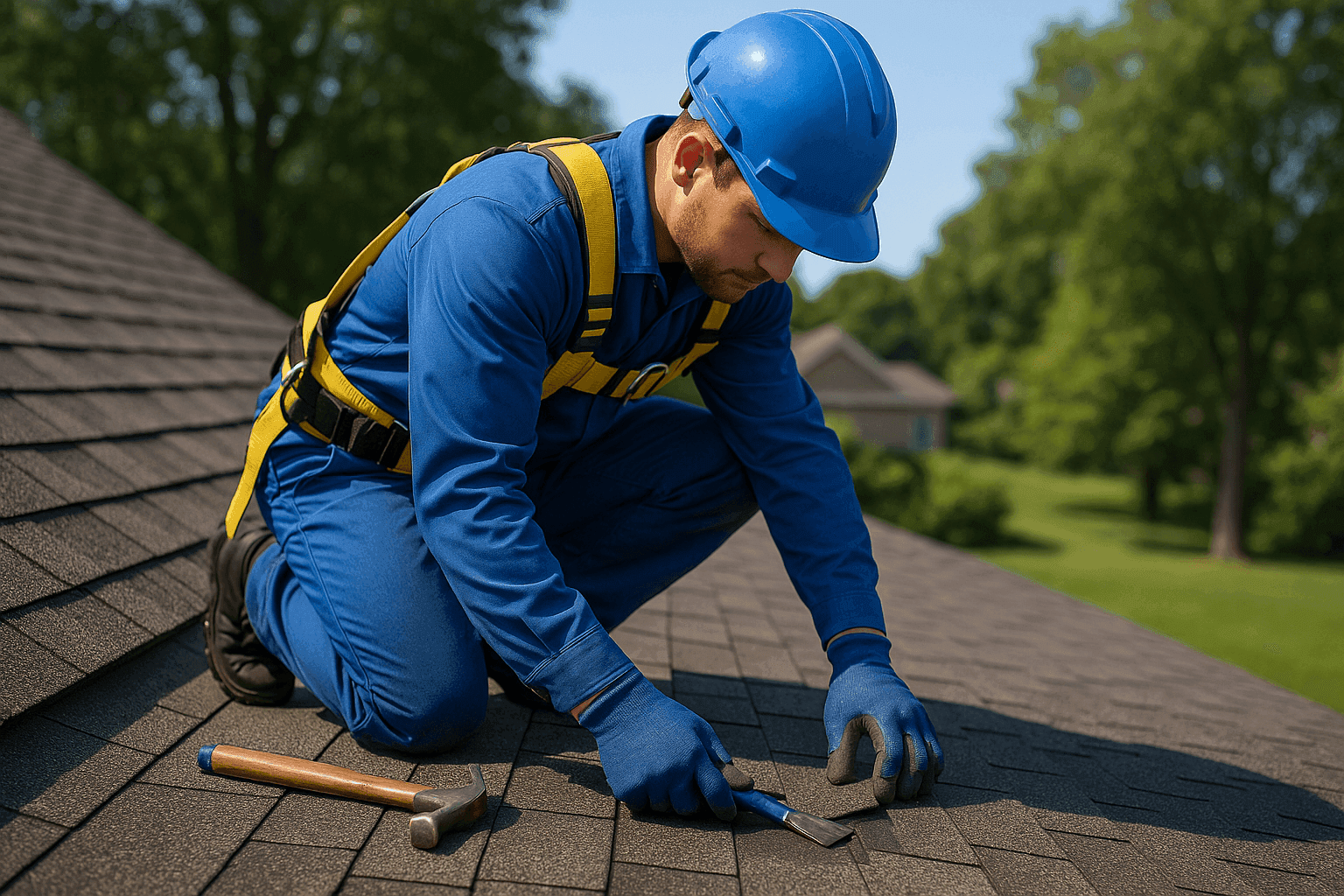
Is your home’s roof whispering for help, or shouting for attention? Most of us don’t notice our roofs until a storm rolls through, a leak stains the ceiling, or loose shingles scatter across the lawn. At Sammy Roofing, we know that feeling—worry, urgency, a dash of confusion. You want clear answers and reliable help, not a maze of jargon.
We’re here to guide you through every twist and turn, from picking the right roofing material to knowing when to call for emergency roofing services. Let’s break it down together, step by step, so you can protect your home with confidence.
Types of Residential Roofing Systems 🏠
Roofs aren’t just hats for houses—they’re complex shields. The type you choose affects everything from curb appeal to energy bills.
Asphalt Shingle Roofs
- Most common in North America.
- Affordable, versatile, and available in many colors.
- Lifespan: 15–30 years.
- Pros: Easy to repair, good for most climates.
- Cons: Can crack in extreme temperatures.
Metal Roofing
- Gaining popularity for longevity and modern look.
- Lifespan: 40–70 years.
- Pros: Fire-resistant, reflects heat, recyclable options.
- Cons: Higher upfront cost, can be noisy in heavy rain.
Tile Roofing
- Classic beauty, especially for Mediterranean or Spanish-style homes.
- Lifespan: 50–100 years.
- Pros: Durable, excellent in hot weather.
- Cons: Heavy—might need extra structural support.
Flat Roofs
- Common for modern homes and some additions.
- Often use rubber, modified bitumen, or PVC.
- Pros: Space for rooftop decks, easy access.
- Cons: Needs regular maintenance to avoid standing water.
Other Systems
- Wood shakes, slate, and composite materials are also options.
- Each brings unique benefits and maintenance needs.
Signs Your Roof Needs Attention 🔍
Roofs don’t send emails when trouble’s brewing. Look for these red flags:
- Missing, curled, or cracked shingles.
- Dark streaks or moss growing.
- Water stains on ceilings or walls.
- Granules in gutters (like finding sand after a day at the beach—except it’s from your shingles).
- Sagging spots, especially near valleys or chimney flashing.
- Evidence of leaks after storms.
If you spot any of these, especially after severe weather, consider scheduling an inspection or Roof Flashing Repair near you.
Repair vs. Replacement Decisions
Should you patch, or start fresh? The answer depends on several factors.
When a Repair Makes Sense
- Damage is limited (a few shingles or a minor leak).
- The rest of the roof is in good shape.
- Flashing around skylights or chimneys is loose, but the main roof is solid.
Signs It’s Time for Replacement
- Widespread shingle damage or bald spots.
- Roof is beyond its expected lifespan.
- Recurring leaks, even after repairs.
- Sagging deck or visible structural issues.
A trusted roofer can help you weigh these choices. The goal: protect your home, not just patch it up.
Roofing Material Options
Picking the right material is like choosing shoes for a long journey—function, style, and durability all matter.
Asphalt Shingles
- Most budget-friendly.
- Various colors and thicknesses.
- Good for moderate climates.
Metal Panels
- Stand up to wind and hail.
- Reflect sunlight, lowering cooling costs.
- Recyclable options for eco-minded homeowners.
Clay or Concrete Tiles
- Heavy, but unmatched in longevity.
- Ideal for hot, dry areas.
- Fire-resistant.
Wood Shakes
- Rustic, natural look.
- Needs more upkeep; not ideal in fire-prone zones.
Slate
- Premium choice; can last a century.
- Heavy, requires reinforced framing.
Synthetic Options
- Mimic wood, slate, or tile.
- Lighter and often more affordable.
When choosing, consider local weather, your home’s structure, and your budget.
Choosing the Right Contractor 🛠️
Roofing work is a big investment. The right partner makes all the difference.
What to Look For
- Licensed and insured for residential and emergency roofing.
- Local experience with your roof type.
- Positive homeowner testimonials (ask for references!).
- Clear, written estimates and contracts.
- Willingness to explain options, not just push for a sale.
Questions to Ask
- What’s your process for Roof Flashing Repair near you?
- How do you handle storm damage restoration?
- Do you offer eco-friendly roofing choices?
- What safety measures do you follow? (OSHA standards are a good sign.)
A trustworthy contractor welcomes your questions and helps you understand every step.
Maintenance Tips for Longevity
A little care goes a long way. Think of maintenance as brushing your roof’s teeth—simple steps, big payoff.
- Clean gutters and downspouts twice a year.
- Inspect attic for leaks or mold after storms.
- Trim overhanging branches to prevent damage.
- Schedule professional inspections annually—especially after heavy weather.
- Check flashing and sealants around skylights, chimneys, and vents.
According to the National Roofing Contractors Association, regular inspections catch minor issues before they grow.
Step-By-Step: Your Roofing Health Checklist
- Walk around your home after big storms—look up for missing shingles or debris.
- Check your attic for water stains or musty smells.
- Clean leaves and debris from gutters.
- Use binoculars to spot damaged flashing or sagging sections.
- If you see trouble, call for an inspection—don’t climb on the roof yourself.
Emergency Roofing: What to Do When Disaster Strikes
Storms, falling trees, or sudden leaks call for quick action.
- Move valuables away from leaks.
- Place buckets or towels to catch drips.
- Call Sammy Roofing for emergency roofing services.
- Avoid walking on the roof—wet surfaces are slippery and dangerous.
Professional roofers arrive with tarps, safety gear, and the know-how to stabilize damage until a full repair can be made.
Common Questions Homeowners Ask
How often should I have my roof inspected?
Once a year is a good rule of thumb, plus after major storms or hail events.
What’s the most durable roofing material?
Metal and slate lead in lifespan, but the right choice depends on your home’s structure and local climate.
Can I repair a small leak myself?
Temporary fixes may help, but professional assessment ensures you don’t miss hidden damage.
How long does a typical roof replacement take?
Most homes can be reroofed in 1–3 days, depending on size and weather.
Local and Seasonal Considerations 🌦️
Regional weather shapes your roofing needs. In snowy climates, steep slopes and ice barriers matter. Coastal homes benefit from wind-resistant shingles and corrosion-proof flashing. Spring and fall are ideal for inspections—before intense heat or cold sets in.
Always follow local building codes and permit guidelines. The International Residential Code (IRC) sets safety standards for roofing, insulation, and ventilation.
Ready to protect your home with confidence? Call Sammy Roofing now — or reach us anytime at 877-359-9286 .