How to Prepare Your Roof for Severe Weather: A Homeowner’s Guide
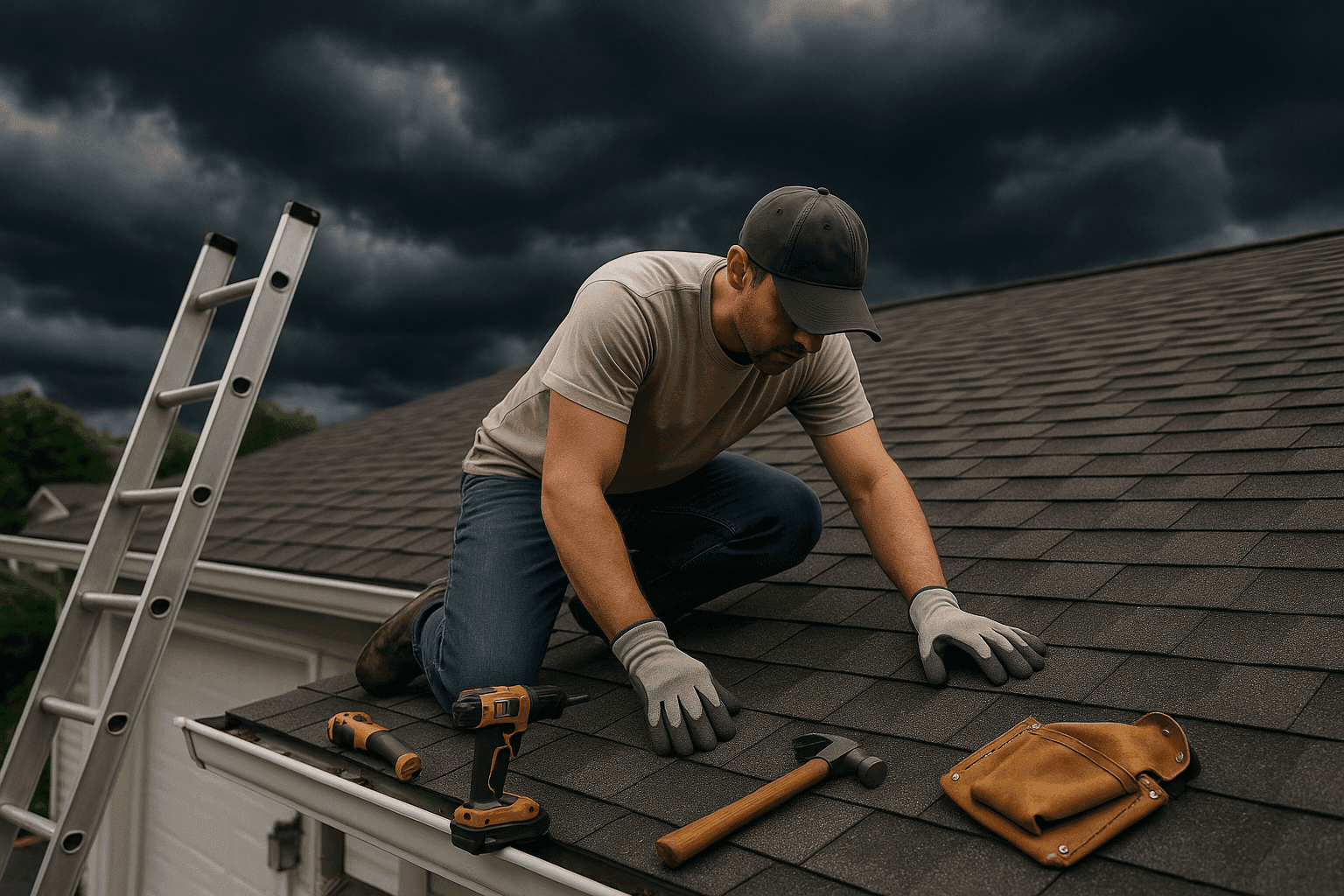
When dark clouds roll in, your roof is the first line of defense. But when was the last time you gave it a fighting chance? For many homeowners and small business owners, the roof is out of sight and out of mind—until water drips on your favorite chair or shingles scatter across the yard.
Severe weather doesn’t wait. At Sammy Roofing, we’ve seen how a little preparation can mean the difference between a minor fix and a major emergency roofing call. Let’s walk through the steps you can take to keep your home or business safe, dry, and ready for whatever the skies throw your way.
Why Roof Preparation Matters 🌧️
Think of your roof as a sturdy umbrella. If it has holes, you’re going to get soaked. Neglecting roof care before a storm can lead to:
- Leaks that damage ceilings, walls, and belongings
- Mold growth from trapped moisture
- Insulation ruined by water, making your space colder in winter and hotter in summer
- Costly emergency roofing repairs that could have been avoided
According to the International Association of Certified Home Inspectors (InterNACHI), regular roof maintenance is one of the best ways to extend your roof’s lifespan and prevent expensive surprises. The National Roofing Contractors Association (NRCA) also recommends seasonal inspections—especially before storm season hits.
Key Inspection Points Before Severe Weather
A quick glance from the ground isn’t enough. Here’s what to check to ensure your roof is ready for whatever comes next:
Shingles and Tiles
- Look for missing, cracked, curling, or loose shingles and tiles.
- Check for granule buildup in gutters—this can mean shingles are wearing out.
- Pay special attention to areas around chimneys, skylights, and vents.
Flashing and Sealants
- Inspect metal flashing around roof edges, valleys, and penetrations (like pipes or skylights).
- Watch for rust, cracks, or gaps where water can sneak in.
- Old or peeling sealants are a red flag—these spots need resealing.
Gutters and Downspouts
- Make sure gutters are firmly attached and free of debris.
- Downspouts should direct water well away from your foundation.
- Sagging or leaking gutters can dump water where you don’t want it.
Attic and Insulation
- Peek in your attic for signs of water stains or damp insulation.
- Good ventilation helps prevent ice dams and keeps your roof deck dry.
- Look for daylight shining through—if you see it, water can get in too.
Essential Maintenance Tasks
A little elbow grease now can save a lot of headaches later. Here’s what you can do:
- Clear gutters and downspouts: Remove leaves, twigs, and debris so water flows freely.
- Trim overhanging branches: Wind can turn branches into battering rams.
- Check and reseal flashing: Use roofing sealant to close up gaps.
- Inspect attic insulation and ventilation: Proper airflow prevents condensation and mold.
- Secure loose roofing materials: Fasten down any loose shingles, tiles, or metal panels.
If you spot any damage or aren’t sure about a problem area, call a professional roofer for a thorough inspection.
Choosing the Right Sealants and Coatings
Not all sealants are created equal. Just like you wouldn’t use duct tape on a leaky boat, you need the right materials for your roof.
- Elastomeric coatings: Flexible and durable, great for flat roofs or metal surfaces.
- Polyurethane sealants: Ideal for flashing and joints, offering strong adhesion.
- Silicone-based sealants: Highly water-resistant—perfect for areas with heavy rain.
- Eco-friendly options: Look for low-VOC products to reduce environmental impact.
Always follow manufacturer instructions and consult with a roofing professional to ensure compatibility with your roof type. The International Building Code (IBC) provides guidelines on approved roofing materials and application methods.
Emergency Preparedness Tips
Sometimes, even the best preparation can’t stop Mother Nature. Here’s how to stay ready for the unexpected:
- Keep tarps and roofing nails handy: Temporary coverings can prevent further water damage.
- Know your main shut-off valves: Water and electricity don’t mix—be ready to act fast.
- Have our emergency roofing number saved: Quick response can limit damage.
- Document damage with photos: This helps with insurance claims and repairs.
- Stay off the roof during storms: Safety first. Wait until it’s safe before inspecting or patching.
Seasonal Timing: When to Inspect and Maintain
Timing is everything. Schedule roof inspections and maintenance:
- Before storm season: Early spring and late summer are prime times.
- After major storms: Look for hidden damage even if everything seems fine.
- Before winter: Ice, snow, and freezing temps can turn small issues into big problems.
Regular, seasonal checks are a simple habit that pays off year after year.
The Value of Professional Inspections
While DIY checks are helpful, a professional roofer brings a trained eye and the right tools. Pros can:
- Spot hidden damage you might miss
- Test for leaks using moisture meters
- Check structural integrity and ventilation
- Provide written reports for insurance or warranty purposes
The National Roofing Contractors Association recommends at least one professional inspection per year, or after any significant weather event.
Emergency Roofing: What to Do When Disaster Strikes
If you experience a roofing emergency—like a major leak or storm damage—take these steps:
- Stay safe: Avoid electrical hazards and slippery surfaces.
- Contain water: Use buckets or towels to limit interior damage.
- Call for emergency roofing help: Fast action can prevent further destruction.
- Don’t climb on a damaged roof: Wait for the professionals.
Emergency roofers are trained to handle urgent situations quickly and safely, minimizing risk to you and your property.
Frequently Asked Questions
How often should I inspect my roof?
At least twice a year—before and after storm season. After major storms, do a quick check for visible damage.
What’s the most common cause of roof leaks?
Damaged or missing shingles, cracked flashing, and clogged gutters are the usual suspects.
Can I use any sealant on my roof?
No. Always use products designed for your specific roof type and climate. When in doubt, ask a pro.
How do I know if my attic has enough ventilation?
Look for signs like mold, musty odors, or excess heat. A roofing professional can assess your ventilation and recommend improvements.
Special Considerations for Homeowners and Small Businesses
Every roof is unique. Flat roofs, metal roofs, and shingle roofs all have their own maintenance needs. For commercial properties, regular inspections are even more important—especially if your business relies on keeping inventory or equipment dry.
If you have skylights, chimneys, or solar panels, these areas need extra attention. Flashing and sealants around penetrations are common leak points.
Eco-friendly roofing options—like reflective coatings and recycled materials—can provide extra protection and save on energy bills. Ask about sustainable solutions during your next inspection.
Final Thoughts: Proactive Care Pays Off
Preparing your roof for severe weather isn’t just about avoiding leaks. It’s about protecting your investment, your comfort, and your peace of mind. A little prevention goes a long way—saving you money, stress, and emergency roofing calls down the road.
Ready to storm-proof your roof?
Call Sammy Roofing now — or reach us anytime at 877-359-9286 .