How to Maintain Your Roof’s Gutter System for Year-Round Protection
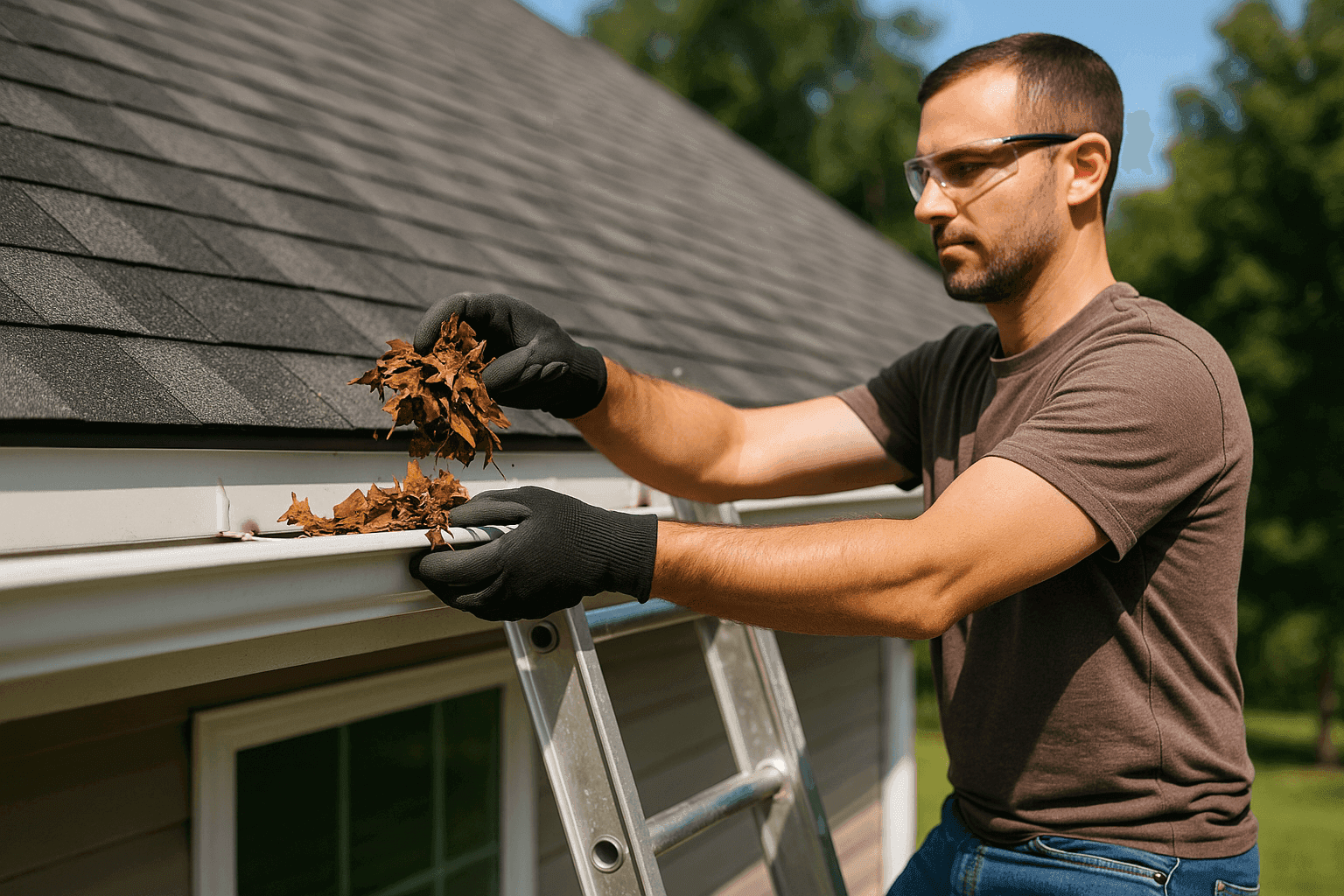
When rain pours or snow melts, your gutter system stands between your property and a world of trouble. A neglected gutter can turn a simple drizzle into a damaging flood—inside and out. At Sammy Roofing, we know a clean, well-maintained gutter is the silent hero of a healthy roof.
Whether you’re a homeowner or run a small business, learning how to care for your gutters can save you from emergency roofing calls and expensive repairs. Let’s break down what you need to know for year-round protection.
Understanding Your Gutter System 🏠
Your gutter system is more than just a metal trough. Think of it as your roof’s drainage highway, shuttling water safely away from your foundation. Here’s what makes up a typical system:
- Gutters: The channels that catch and guide water.
- Downspouts: The pipes that carry water from gutters to the ground.
- Elbows and Extensions: Bends and add-ons that direct water away from the building.
- End Caps and Miters: Seals and corners that keep water flowing in the right direction.
- Hangers and Brackets: The supports that keep everything in place.
Each part has a job. If one fails, it’s like a missing link in a chain—the whole system is at risk. Gutters clogged with leaves, downspouts blocked by debris, or sagging sections can quickly lead to leaks, rot, and even foundation cracks.
Seasonal Gutter Maintenance Checklist
Gutter maintenance isn’t a once-a-year event. Each season brings its own challenges. Here’s what to tackle as the months change:
Spring
- Remove winter debris—twigs, nests, leftover ice chunks.
- Check for rust, holes, and loose fasteners.
- Make sure downspouts discharge water well away from your foundation.
Summer
- Inspect after storms for wind-blown debris.
- Look for signs of sagging or separation from the fascia.
- Check for insect nests or animal activity.
Fall
- Clear fallen leaves regularly (sometimes weekly).
- Confirm gutter guards are secure and working.
- Inspect for early signs of leaks before winter sets in.
Winter
- Watch for ice dams (thick ridges of ice that block flow).
- Use a roof rake to gently remove heavy snow near gutters.
- Make sure downspouts are clear to prevent freeze-ups.
Tools and Techniques for Safe Cleaning
Safety always comes first. Cleaning gutters means working at heights, sometimes on slippery surfaces. Here’s how to stay safe and effective:
- Sturdy ladder: Choose one that extends well above the roofline. Always place it on level ground.
- Gloves and eye protection: Protect hands from sharp edges and eyes from flying debris.
- Plastic scoop or trowel: For removing compacted gunk.
- Garden hose: To flush out remaining dirt and check flow.
- Bucket or tarp: Collect debris to prevent a mess below.
- Helper: Have someone nearby for stability and emergencies.
Never lean out too far or stand on the top rung of a ladder. Consider using ladder stabilizers. The Occupational Safety and Health Administration (OSHA) recommends always maintaining three points of contact when climbing.
Common Gutter Problems and How to Spot Them
Even with regular care, things can go wrong. Here’s what to watch for:
- Clogs: Overflowing water, especially during rain, means there’s a blockage.
- Leaks: Drips or water stains on siding signal holes or failed seals.
- Sagging: Gutters pulling away from the roofline or drooping in the middle.
- Rust and Corrosion: Flaking paint, orange spots, or brittle metal.
- Cracks or Splits: Small cracks can grow quickly and cause leaks.
- Pooling Water: Water that doesn’t drain can attract pests and cause rust.
If you notice any of these issues, act promptly. Small problems can snowball into big headaches—fast.
When to Repair vs. Replace Gutters
Not every gutter issue means you need a full replacement. Here’s how to decide:
-
Repair: For minor leaks, small holes, loose fasteners, or a single sagging section.
- Patch holes with gutter sealant.
- Replace missing hangers or screws.
- Reseal joints with waterproof caulk.
-
Replace: When you see widespread rust, multiple cracks, persistent sagging, or if the gutters are pulling away from the house.
- Old, warped, or severely damaged gutters are better replaced than patched.
- If you’re upgrading your roof or siding, consider new gutters to match.
If you’re unsure, a professional inspection can help you weigh your options.
Benefits of Professional Gutter Inspection and Maintenance 🛠️
A trained eye can spot trouble you might miss. Professional crews follow industry best practices, including those outlined by the National Roofing Contractors Association (NRCA) and OSHA safety standards.
Why call in a pro?
- Thorough cleaning: Pros remove all debris, even in tricky spots.
- Detailed inspection: They check for hidden damage, improper slope, and signs of rot.
- Minor repairs: Fasteners, sealants, and joint repairs are handled on the spot.
- Advice: Get tips on gutter guards, downspout extensions, and eco-friendly options.
Professional maintenance reduces the risk of emergency roofing needs and extends the life of your entire roof system.
Practical Tips for Year-Round Gutter Care
- Schedule cleanings: At least twice a year, more if you have lots of trees nearby.
- Install gutter guards: These screens or covers reduce debris buildup.
- Trim overhanging branches: Less debris means fewer clogs.
- Direct downspouts: Ensure water flows at least five feet from your foundation.
- Check after storms: High winds and heavy rain can quickly clog gutters.
What to Do When It’s an Emergency
Sometimes, despite your best efforts, a storm or sudden blockage causes water to pour over the sides. If you see water entering your home or pooling around the foundation, act quickly:
- Clear visible clogs if safe to do so.
- Place buckets or towels to catch water inside.
- Call emergency roofing services for immediate help.
Fast action can prevent major structural damage and mold growth.
Frequently Asked Questions
How often should gutters be cleaned?
Twice a year is standard—once in spring, once in fall. If you have pine trees or heavy leaf fall, consider quarterly cleanings.
Are gutter guards worth it?
They can reduce maintenance, but aren’t foolproof. Some debris still gets through, so periodic checks are still needed.
Can clogged gutters cause roof leaks?
Absolutely. Water backs up under shingles, causing leaks, rot, and even damage to insulation and framing.
Is gutter maintenance different for flat roofs?
Flat roofs often use internal drains or scuppers. These need just as much attention—sometimes more, since blockages can cause water to pool and damage the roof membrane.
Special Considerations for Gutter Maintenance
- Older homes: May have undersized or rust-prone gutters—upgrade for better protection.
- Metal and tile roofs: Require careful cleaning to avoid damaging finishes.
- Commercial properties: Larger roof areas mean more water—ensure downspouts are properly sized.
- Eco-friendly options: Consider rain barrels or permeable extensions to direct water into gardens.
Regular gutter maintenance is one of the simplest ways to protect your roof, foundation, and peace of mind. Don’t wait for a problem to show up. A little effort today keeps the emergency roofing calls away tomorrow.
Call Sammy Roofing now — or reach us anytime at 877-359-9286 .