How to Choose the Best Roof Ventilation System for Year-Round Comfort
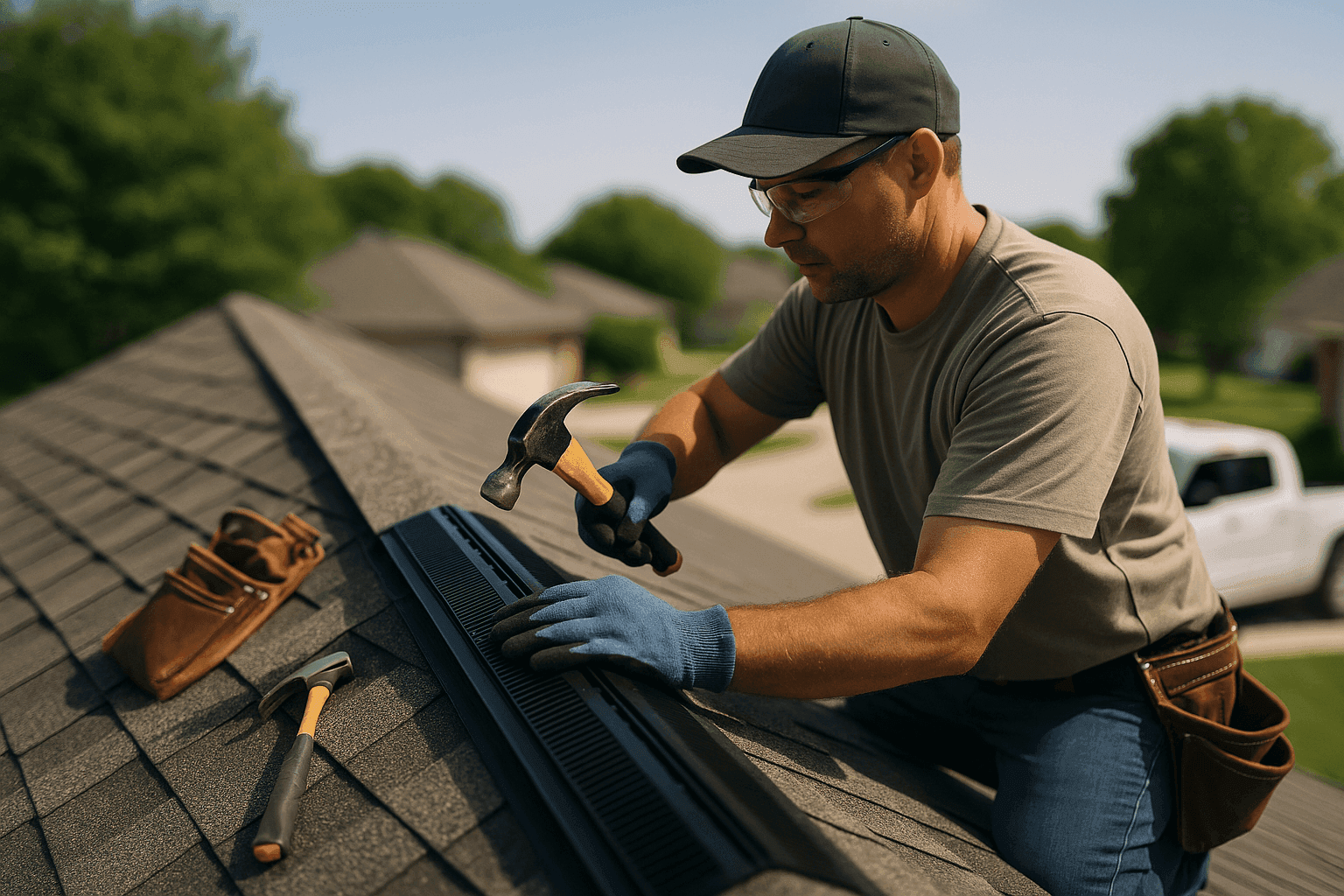
Is your attic hotter than a car parked in the sun? Or maybe you’ve spotted mysterious damp patches in the corners of your ceiling. These aren’t just annoyances—they’re signs your roof might be crying out for better ventilation.
At Sammy Roofing, we know that the right ventilation system isn’t just a technical upgrade. It’s about comfort, safety, and savings, all rolled into one. Let’s break down how to choose the best roof ventilation system for your home or business so you can breathe easy all year.
Why Roof Ventilation Matters 🌬️
Picture your roof as a hat for your building. Without proper ventilation, that hat traps heat and moisture—turning your attic into a sauna in summer and a damp cave in winter.
Here’s why ventilation is a game-changer:
- Temperature Regulation: Keeps your attic from becoming a heat trap, reducing strain on your air conditioning.
- Moisture Control: Helps prevent mold, mildew, and wood rot by letting trapped moisture escape.
- Energy Efficiency: Less heat buildup means lower cooling costs.
- Roof Longevity: Reduces the risk of shingles curling, wood warping, and insulation losing effectiveness.
According to the International Residential Code (IRC) and National Roofing Contractors Association (NRCA), balanced ventilation is essential for a healthy, long-lasting roof. Skimping here can cost you big—both in repairs and comfort.
Types of Roof Ventilation Systems
Choosing a ventilation system isn’t one-size-fits-all. Each property, like every person, has its quirks. Here’s a rundown of the most common options:
Ridge Vents
- What they are: Installed along the peak of the roof, allowing warm air to escape from the highest point.
- Pros: Continuous airflow, nearly invisible, no moving parts.
- Cons: Needs to be paired with soffit vents; not ideal for all roof shapes.
Soffit Vents
- What they are: Located under the eaves, they let fresh air in at the lowest point of the roof.
- Pros: Essential for balanced airflow, helps prevent ice dams.
- Cons: Can get blocked by insulation if not installed correctly.
Turbine Vents
- What they are: Wind-powered spinning vents that pull hot air out of the attic.
- Pros: No electricity needed, effective in windy areas.
- Cons: Noisy in strong winds, less effective on calm days.
Powered Vents
- What they are: Electric or solar fans that actively move air out of the attic.
- Pros: Great for large or complex roofs, works regardless of wind.
- Cons: Requires power source, more maintenance.
Not sure which is best for you? The right choice depends on your roof style, climate, and how your building is used.
How to Assess Your Current Ventilation
Wondering if your roof is breathing right? Here are some telltale signs of poor ventilation:
- Hot upstairs rooms even when the AC is blasting.
- Frost or condensation in the attic during cold months.
- Peeling paint or warped wood near the roofline.
- Musty odors or visible mold growth.
- Ice dams forming on the roof in winter.
Inspection Tips
- Look for blocked vents: Insulation or debris can choke off airflow.
- Check for moisture: Dampness, stains, or mold in the attic are red flags.
- Count your vents: Too few or too many can both cause problems.
If you spot any of these issues, it might be time to call in a professional. Sammy Roofing’s team is trained to spot what others miss, using industry guidelines from the NRCA and OSHA for safe inspection practices.
Installation Considerations
Before you pick a system, consider these factors:
- Roof Type: Steep vs. flat, shingle vs. metal—each has unique ventilation needs.
- Climate: Hot, humid areas need more airflow; cold climates need to prevent ice dams.
- Building Use: Homes, offices, and warehouses all have different moisture and heat loads.
- Existing Insulation: Too much insulation can block airflow; too little can waste energy.
- Eco-Friendly Options: Solar-powered vents or recycled materials can lower your carbon footprint.
It’s a bit like choosing shoes—not every pair fits every foot. The right ventilation system should fit your building’s style and your comfort goals.
Benefits Beyond Comfort
A well-ventilated roof does more than keep you cool. Here’s what you gain:
- Longer Roof Life: Less heat and moisture means shingles, decking, and insulation last longer.
- Fewer Repairs: Proper airflow helps prevent leaks, rot, and costly emergency roofing calls.
- Healthier Air: Reduces mold and allergens, creating a safer space for your family or employees.
- Energy Savings: Lower utility bills year-round.
The U.S. Department of Energy recommends balanced attic ventilation for both energy savings and building health. Investing here pays off in peace of mind and fewer headaches down the road.
Practical Tips for Homeowners and Small Business Owners
- Schedule annual inspections: Catch problems before they become emergencies.
- Clear vents regularly: Remove leaves, nests, or insulation blocking airflow.
- Check after storms: Wind and debris can damage or block vents.
- Upgrade insulation: Pairing good ventilation with proper insulation maximizes comfort and savings.
- Ask for code compliance: Make sure your system meets current building codes (refer to IRC or local guidelines).
When to Call for Emergency Roofing Services
Sometimes, ventilation issues go from nuisance to nightmare fast:
- Sudden leaks or water stains after a storm.
- Mold spreading rapidly in the attic.
- Sagging roof deck or visible structural damage.
- Persistent ice dams causing interior leaks.
If you see any of these, don’t wait. Emergency roofing services from Sammy Roofing can prevent further damage and help restore your property’s safety.
Frequently Asked Questions
How do I know if my attic is properly ventilated?
Look for signs like even attic temperatures, no musty odors, and no visible mold or dampness. If you’re unsure, a professional inspection can give you a clear answer.
Can I add more vents myself?
Some vent types are DIY-friendly, like installing soffit or gable vents. But improper installation can cause more harm than good—especially with powered or ridge vents. When in doubt, call in the pros.
How often should roof ventilation be inspected?
At least once a year, and after major storms. Regular maintenance keeps problems from sneaking up on you.
Do all roofs need the same type of ventilation?
No—roof shape, material, and climate all play a big role in choosing the right system. What works for one building might not suit another.
Special Considerations for Ventilation & Insulation
- Flat Roofs: Often need specialized vents and careful moisture control.
- Metal Roofing: May require different venting strategies to prevent condensation.
- Historic Buildings: Upgrades must balance modern efficiency with preserving original features.
- Skylights and Chimneys: These add complexity—proper flashing and vent placement are crucial to avoid leaks.
When in doubt, consult a professional who understands both the science and the art of roofing ventilation.
Ready to make your home or business more comfortable—year-round? Call Sammy Roofing now — or reach us anytime at 877-359-9286 .