Gutter Installation & Repair: Protecting Your Roof and Foundation
In the middle of a storm, the last thing you want to see is water pouring over the edge of your home, seeping into the foundation or streaking down your walls. Gutters are sometimes the unsung heroes of your roof system. When they work, you hardly notice them. When they don’t, you notice—fast.
At Sammy Roofing, we see firsthand how neglected gutters lead to emergency roofing calls—roof leaks, rotting fascia, and even cracked foundations. Whether you own a home or a business, knowing how to spot gutter trouble early can save you thousands and prevent panic during the next downpour.
Why Gutters Matter for Roof and Foundation 🌧️
Gutters are more than a finishing touch—they’re vital for channeling water off your roof and away from your building’s foundation. Think of them as your property’s raincoat. If a raincoat is full of holes, you’re going to get wet.
When gutters fail, water backs up along the eaves, creeping under shingles and into attic spaces. Over time, this leads to roof deck rot, mold, and insulation damage. Worse, uncontrolled water spills next to your foundation, eroding the soil and causing basement leaks or major cracks.
According to the International Association of Certified Home Inspectors (InterNACHI), improper drainage is one of the leading causes of foundation problems in all climates. Building codes in most areas require gutters and downspouts that direct water at least 5 feet away from the foundation for this reason.
A healthy gutter system helps with:
- Preventing roof leaks and ice dams
- Protecting siding and windows from rot
- Safeguarding your foundation from erosion and shifting
- Reducing landscape washouts
- Keeping walkways and entries safer and drier
Signs You Need New Gutters or Repairs
Not sure if your gutters are doing their job? Here are common red flags:
- Water spilling over gutter edges during rain
- Sagging or pulling away from the house
- Visible rust, cracks, or holes
- Peeling paint or water stains beneath gutters
- Plant growth or nests in gutters
- Pooling water near the foundation after storms
- Basement dampness or musty smells
If you spot any of these, it’s time to act. In areas with heavy rain or lots of falling leaves, these problems appear sooner and can escalate quickly.
Troubleshooting Checklist
- Walk around your property during a rainstorm—do gutters overflow?
- Inspect for loose or missing fasteners along the gutter runs.
- Check downspouts—are they clogged or disconnected?
- Look for staining or mildew on siding directly below gutters.
- Assess the ground near downspouts for soggy patches.
DIY vs. Professional Installation
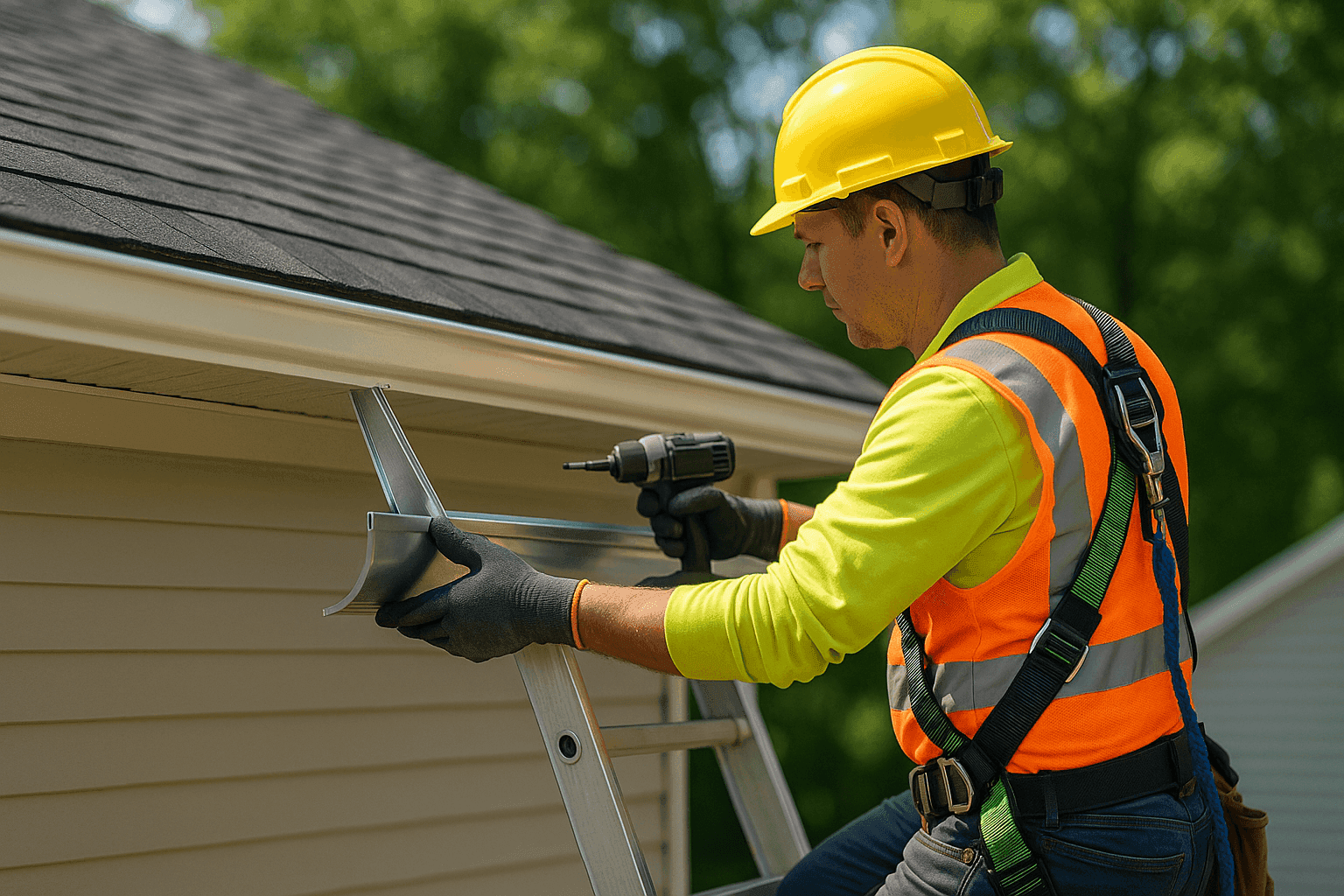
It’s tempting to grab a ladder and tackle gutter repairs yourself. For minor clogs or loose brackets, that’s fine—if you’re comfortable with heights and have the right tools. But for anything beyond a simple cleanout, the risks add up.
Gutter installation isn’t just about attaching metal to wood. It requires precise pitch, secure fasteners, proper flashing, and code-compliant downspout placement. Miss one detail, and you could invite water into your attic or walls.
Professional roofing crews (like ours at Sammy Roofing) bring:
- Experience with all roof types: shingle, tile, metal, flat, and more
- Knowledge of local code requirements and manufacturer specs
- Safety equipment to work at height
- Heavy-duty tools for seamless and custom-fit gutters
- The ability to spot other roof or flashing issues while on-site
For emergency roofing needs or major fixes, calling in pros saves headaches—and potential hospital visits.
Maintenance Tips for Year-Round Performance 🧹
Clean gutters are happy gutters. Here’s how to keep yours working their best, no matter the season:
- Clean gutters and downspouts at least twice a year: spring and fall are non-negotiable.
- In heavy-leaf or pine zones, check more often—especially after storms or strong winds.
- Use a small scoop or garden trowel to remove debris, then flush with a garden hose.
- Inspect gutter seams and joints for leaks; apply roofing sealant if needed.
- Secure any loose brackets or hangers.
- Check that downspouts discharge at least 5 feet from the foundation.
- Consider gutter guards if you’re surrounded by trees (but still check for blockages).
Safety tip: Always use a stable ladder, wear gloves, and never reach farther than your arm’s length.
Seasonal Advice
- Heavy Rain Areas: Ensure gutters are sized for high-volume flow. Oversized gutters and extra downspouts may be necessary.
- Snow and Ice Zones: Install snow guards and keep gutters clear to prevent ice dams. Heated cables can help in extreme climates.
- Lots of Trees: Leaf guards can cut down on cleaning but don’t eliminate the need for inspections.
Downspouts: Often Overlooked, Always Important
Downspouts are the workhorses that carry water from gutters safely away from your building. Even the best gutter won’t help if the downspout is blocked, broken, or missing.
Common problems include:
- Clogs from leaves and twigs
- Detachment from the gutter or wall
- Crushed or bent sections
- Draining too close to the foundation
Tip: Use extensions or splash blocks to direct water well away from your building—at least 5 feet is the gold standard. In areas with heavy rain or clay soils, longer extensions may be needed to prevent erosion or basement flooding.
When to Repair, Replace, or Clean
- Repair: Small holes, loose hangers, minor leaks, or a single section with rust
- Replace: Multiple sagging sections, widespread rust, broken downspouts, or gutters that pull away from the fascia
- Clean: Any time you see debris, standing water, or after a big storm
If you’re not sure, a professional inspection can spot hidden issues—sometimes what looks like a simple clog is actually a symptom of a bigger problem, like improper slope or flashing failure.
Building Codes & Safety Guidelines
Always check local building codes before replacing or adding gutters and downspouts. The International Residential Code (IRC) and International Building Code (IBC) outline drainage requirements for both residential and commercial properties.
Gutter systems should be:
- Properly sloped (minimum 1/16 inch per foot)
- Securely fastened to fascia boards or roof edge
- Equipped with enough downspouts for the roof area (generally one per 40 linear feet)
- Directing water at least 5 feet away from the foundation
Professional roofers follow OSHA safety standards while working at heights and ensure all systems are up to code.
Before-and-After: Real-World Results
At Sammy Roofing, we’ve restored everything from historic homes with failing copper gutters to commercial flat roofs with chronic drainage issues. Before-and-after photos show the dramatic difference: water stains disappear, landscaping rebounds, and basements stay dry.
It’s not just about how your property looks—it’s about protecting what matters most, from your family to your business assets.
Frequently Asked Questions
How often should gutters be replaced?
Most gutters last 20–25 years with regular maintenance. Damage from storms, ice, or falling branches can shorten their lifespan.
Are seamless gutters worth it?
Yes. Fewer seams mean less chance for leaks, especially along long rooflines or commercial buildings.
Can clogged gutters really cause roof leaks?
Absolutely. When water backs up under shingles, it can rot the roof deck and infiltrate attic spaces—leading to costly emergency roofing repairs.
How do I know if my downspouts are working?
During a rainstorm, check for strong water flow at the discharge point. Little or no water means a clog, detachment, or improper slope.
Local & Seasonal Considerations
In areas with heavy rainfall, oversized gutters and extra downspouts are your best defense. For snowy regions, invest in ice dam prevention—clearing gutters before winter, and using roof heating cables where allowed by code.
If your property is surrounded by trees, plan on more frequent cleanings and consider installing high-quality gutter guards. In hurricane zones, reinforce gutters and downspouts to withstand high winds and flying debris.
Regular inspections—especially after storms—catch problems before they become emergencies. When in doubt, an on-site checkup by Sammy Roofing ensures your system is ready for whatever the weather brings.
Don’t wait for water to find its way inside. Call Sammy Roofing now — or reach us anytime at 877-359-9286 .