Eco-Friendly Roofing: Sustainable Choices for Your Home or Business
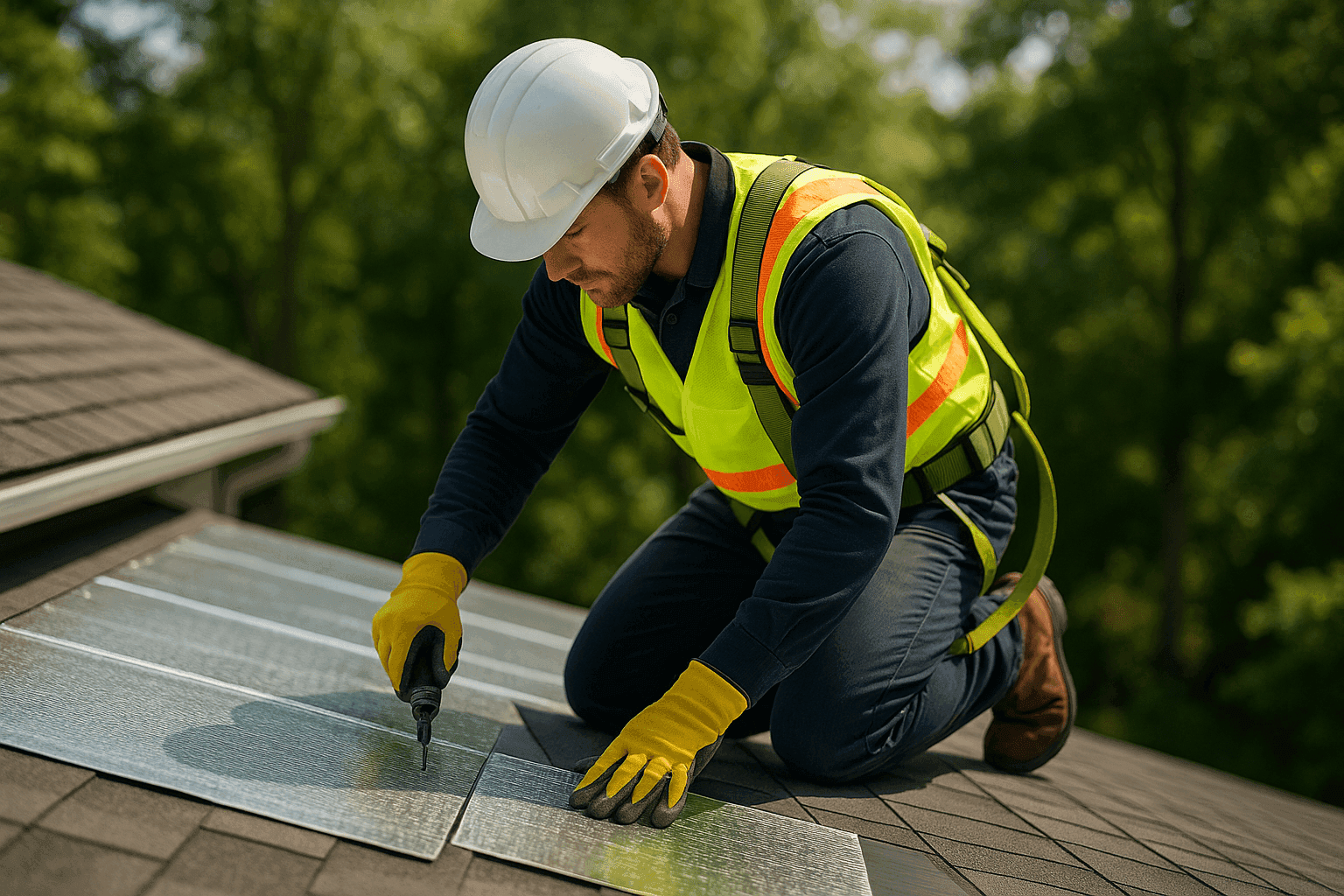
Is your home or business ready for the future? Weather extremes are more common than ever. So are questions about energy bills, comfort, and environmental impact. When the roof overhead matters this much, every choice counts.
At Sammy Roofing, we’ve seen how one decision—a better, greener roof—can ripple through your property, your pocket, and your peace of mind. Whether you’re facing storm damage, need roof flashing repair near you, or planning a new roof, sustainable options are no longer just a trend. They’re essential.
What Makes a Roof Eco-Friendly? 🌱
An eco-friendly roof is more than a label. It’s a promise to tread lighter on the planet and your wallet. But what does that really mean?
- Materials that last—and can be recycled.
- Cool roofs that reflect sunlight, cutting down on heat.
- Proper insulation that traps warmth in winter, blocks heat in summer.
- Low-toxicity sealants and coatings that don’t pollute air or water.
- Responsibly sourced wood or metal—think FSC-certified lumber, recycled steel.
Think of your roof as your building’s hat. An eco-friendly one keeps you comfortable and protected, while also letting the earth breathe. The U.S. Green Building Council (USGBC) and LEED standards highlight these features for sustainable construction. When you choose right, you’re joining a movement that values tomorrow as much as today.
Sustainable Roofing Materials (Metal, Tile, Cool Roofs)
Not all roofs are created equal. Some age fast and end up in landfills. Others stand strong for decades, using fewer resources over time.
Metal Roofing
- Recyclable: Most metal roofs contain up to 95% recycled content. At the end of their life, they’re recycled again.
- Durable: With proper maintenance, they last 40–70 years.
- Reflective: Light-colored metal roofs bounce solar heat away, keeping interiors cooler.
Tile Roofing
- Natural: Clay and concrete tiles come from earth-friendly materials.
- Longevity: Tiles can last over 50 years—sometimes longer than the house itself.
- Thermal Mass: Tiles absorb heat and release it slowly, which helps stabilize indoor temps.
Cool Roofs
- Highly reflective coatings (white or light colors) reduce roof surface temperature.
- Energy Star-rated systems are proven to lower cooling costs by up to 15% (per U.S. Department of Energy).
- Works with flat or sloped roofs: Great for both commercial and residential properties.
Other Eco Options
- Recycled shingles: Made from rubber, plastic, or wood fibers.
- Green roofs: Live plants on rooftops, filtering air and managing rainwater.
When choosing, consider your climate, local codes, and roof slope. A metal roof may be perfect for snowy zones, while tile shines in dry, sunny places.
Green Roofing Practices
Sustainable roofing isn’t just about what goes on your roof—it’s about how it gets there.
- Minimal waste: Sammy Roofing recycles tear-off materials whenever possible.
- Low-VOC adhesives and sealants: These reduce harmful fumes during and after installation.
- Efficient installation: Our teams use modern techniques to minimize gaps and maximize performance.
- Rainwater management: Well-designed gutters and downspouts capture and direct water, preventing erosion and supporting landscaping.
- Proper ventilation: Keeps attics cool in summer, dry in winter, and helps your roofing system last longer.
Following the International Building Code (IBC) and local green building standards is critical. For commercial projects, look for LEED or Energy Star certification possibilities. These can even raise your property’s value and market appeal.
Energy Efficiency and Cost Savings 💡
A greener roof is good for more than the environment—it’s good for your budget.
How Eco Roofs Save Money
- Lower energy bills: Reflective and insulated roofs reduce heating and cooling costs, sometimes by hundreds each year.
- Tax credits and rebates: ENERGY STAR and local incentive programs can offset upgrade costs.
- Longer lifespan: Durable materials mean fewer replacements and repairs.
- Reduced insurance premiums: Some insurers offer discounts for impact-resistant or fire-rated roofing.
Think of it like planting a money tree on top of your building. The right roof grows savings year after year.
Case Study:
A business in the Midwest installed a metal cool roof after storm damage. Their summer AC bills dropped 20%. They earned a state rebate, and the roof withstood hail that shredded neighboring asphalt shingles.
Tip: Always ask your roofer for an energy analysis specific to your region—Sammy Roofing provides guidance tailored to your property.
How to Choose an Eco-Friendly Roofer
Not all contractors walk the green walk. To make sure your roof is as sustainable as possible:
- Ask about certifications: Is your roofer familiar with LEED, Energy Star, or local green standards?
- Request references: Have they completed similar eco-friendly projects?
- Check waste policies: Do they recycle old materials? Use low-toxicity products?
- Review insurance and licensing: Ensure compliance with OSHA and local codes.
- Transparency matters: A reputable roofer explains material choices, installation methods, and long-term benefits without empty promises.
Remember: A truly eco-friendly roof isn’t just about the shingles or panels. It’s the whole process, from consultation to cleanup.
Regional Tips for Maximizing Energy Savings
Where you live shapes your best choices.
- Hot climates: Light-colored, highly reflective roofs (metal, white TPO, coatings).
- Cold climates: Heavy insulation, dark tiles, or composite shingles that absorb heat.
- Storm-prone areas: Impact-resistant materials like metal or tile, plus reinforced flashing for leak protection.
- Urban locations: Green roofs or solar-ready systems can offset the “heat island” effect.
Local building codes may require specific materials or safety features. Always check city or county guidelines.
Practical Steps for Homeowners and Businesses
- Schedule a roof inspection: Look for damage, leaks, or insulation gaps.
- Ask about eco-friendly upgrades: Sammy Roofing can recommend the right materials for your budget and climate.
- Maintain gutters and downspouts: Clean at least twice a year to prevent water damage and support rainwater harvesting.
- Consider ventilation and insulation: These can cut energy use without a full roof replacement.
- Plan for emergencies: Keep our number handy for emergency roofing or roof flashing repair near you.
FAQ
What eco-friendly roofing lasts the longest?
Metal, tile, and slate roofs are the champions. Each can last 40–100 years with regular maintenance.
Can I install a green roof on any building?
Green (planted) roofs need special support and waterproofing. Most flat or low-slope commercial roofs are good candidates. Ask a pro to inspect your structure first.
Are eco roofs more expensive?
Upfront costs can be higher, but lower energy bills, fewer repairs, and longer lifespan often mean you save more in the end.
What’s better for a storm-prone area: metal or tile?
Both resist wind and hail well. Metal is lighter and sheds snow easily. Tile is heavier but tough against fire and sun.
When Emergency Roofing Is Needed
Eco-friendly doesn’t mean “wait and see.” If you’ve got a leak, storm damage, or flashing failure, fast action is key. Emergency roofing services from Sammy Roofing ensure new, sustainable materials are used—even when time is short.
We’re available 24/7 for urgent repairs, from skylights to chimney flashing, and always put safety first. Emergency or not, responsible choices matter.
Final Thoughts
Choosing an eco-friendly roof isn’t just about the environment. It’s about lower bills, greater comfort, and peace of mind—knowing your roof is ready for whatever tomorrow brings.
Ready for a better, greener roof?
Call Sammy Roofing now — or reach us anytime at 877-359-9286 .