Decking & Structural Repairs: Ensuring a Solid Roof Foundation
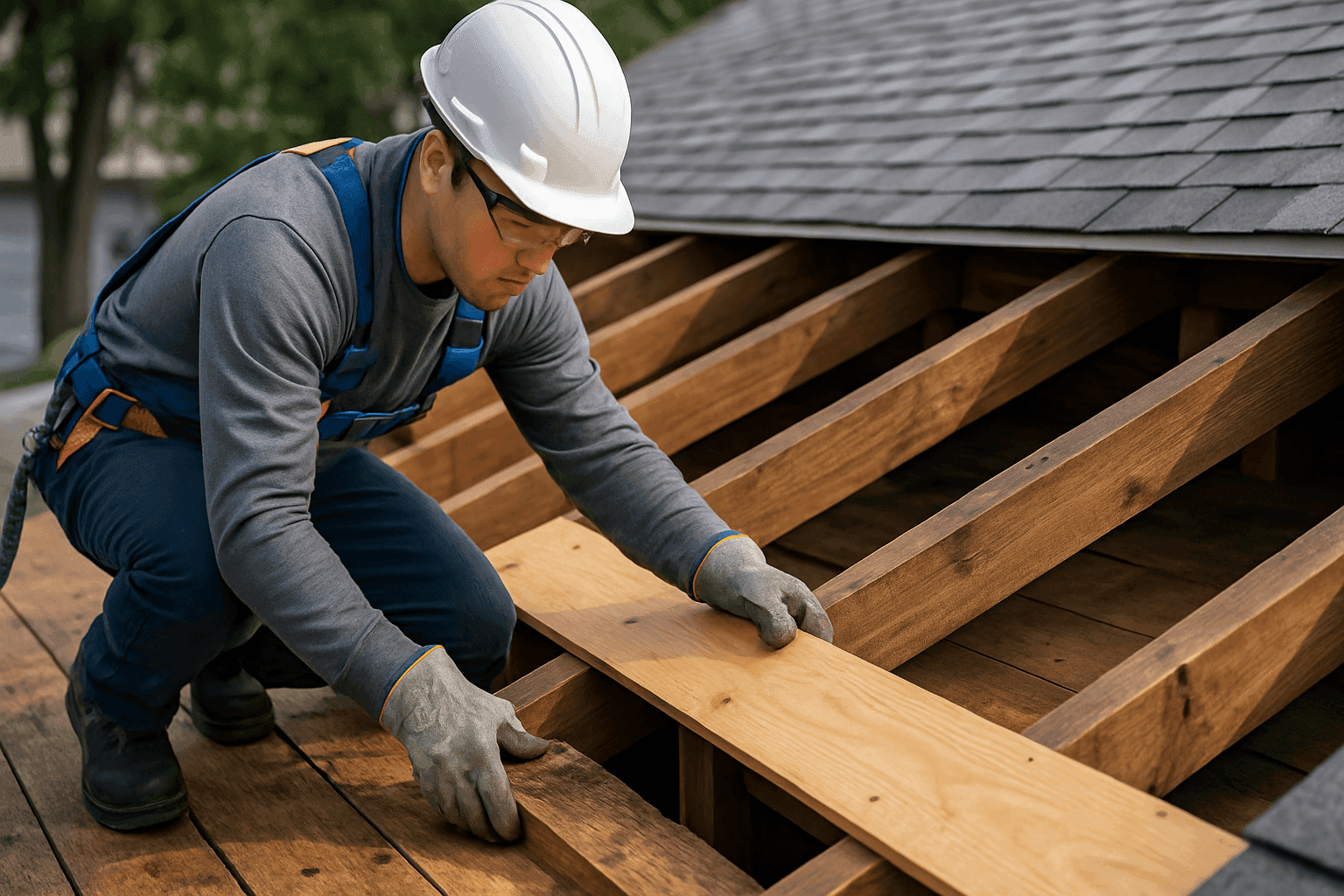
A roof is only as strong as its foundation. When your roof decking or structure falters, everything above it is at risk—shingles, tiles, insulation, and even the safety of your family or business. If you’re worried about leaks, sags, or that odd creak during a storm, you’re not alone.
At Sammy Roofing, we understand how urgent these worries feel. A solid roof deck means peace of mind—no matter what the weather throws at you. Let’s break down what lies beneath the surface and show you how to spot trouble before it grows.
What Is Roof Decking? 🏡
Roof decking is like the backbone of your roof. Picture it as the sturdy wooden platform that holds up your shingles, tiles, or metal. Without a strong deck, the rest of your roof is just a fancy hat on a shaky head.
There are several types of decking:
- Plywood or OSB (Oriented Strand Board): Most common in modern homes and businesses.
- Tongue-and-Groove Boards: Older homes might have solid wood planks.
- Metal Decking: Used in some commercial flat roofs for added strength.
- Concrete Decks: Rare, but found in heavy-duty or industrial settings.
No matter the type, decking acts as the anchor for roofing materials and plays a huge role in keeping out rain, wind, and pests. If it weakens, the whole system starts to fall apart.
Signs of Decking or Structural Problems 🛠️
Catch problems early, and you’ll save a bundle. Here’s what to watch for:
- Sagging or Uneven Rooflines: If your roof looks wavy, something underneath is giving way.
- Leaks or Water Stains: Discoloration on ceilings or walls often points to a decking breach.
- Mold, Mildew, or Musty Odors: Moisture trapped in wood leads to rot and health hazards.
- Visible Rot or Soft Spots: If you can press a screwdriver into the wood easily, the deck is in trouble.
- Creaks or Unusual Sounds: Roofs shouldn’t make noise in the wind—structural movement is a red flag.
- Shingle or Tile Movement: Loose or shifting materials may signal a failing base.
Checklist:
- Inspect your attic for daylight coming through the boards.
- Check for exposed nails or rusted fasteners.
- Look for drooping gutters or water pooling near the foundation.
- Notice sudden changes after storms or heavy snow.
Ignoring these signs is like letting a small leak sink a ship. If you spot any, don’t wait—damage can multiply fast.
Repair and Replacement Process 🏗️
When it comes to emergency roofing, fixing decking or structural issues is hands-on and precise. Here’s what the process looks like with Sammy Roofing:
1. Inspection & Assessment
We start by examining the entire roof—inside and out. Moisture meters, infrared cameras, and classic know-how help us find hidden damage. According to the International Building Code (IBC), all deteriorated decking must be replaced to meet safety standards.
2. Removal of Damaged Materials
Old shingles, tiles, or metal panels come off. Damaged decking sections are cut away. We take extra care to avoid harming the rest of your structure.
3. Structural Repairs
Support beams, rafters, or trusses may need reinforcement or replacement. This step follows guidelines from the National Roofing Contractors Association (NRCA) and local codes.
4. New Decking Installation
Fresh decking panels are installed, securely fastened, and sealed. We use only high-quality, weather-resistant materials.
5. Underlayment & Roofing Material
A waterproof barrier goes down before new shingles, tiles, or metal panels are installed. We ensure every layer is tight and true.
6. Final Inspection
Our team checks every detail, inside and out. We don’t stop until your roof foundation is solid—ready to face the next storm.
Before & After:
Imagine a roof sagging after years of neglect—moldy, soft, unsafe. After repairs, the lines are crisp, the attic dry, and the house feels secure again.
Preventing Future Structural Issues 🌤️
A little care goes a long way. Here are smart habits to keep your roof’s foundation strong:
- Regular Inspections: Twice a year, and after major storms, check your attic and roofline.
- Gutter Cleaning: Clogged gutters cause water to back up, rotting decking fast.
- Maintain Roof Flashing: Gaps around chimneys, skylights, or vents are leak magnets. Roof Flashing Repair near you can save thousands in damage.
- Ventilation and Insulation: Poor airflow traps moisture, leading to rot. Make sure your attic breathes.
- Trim Overhanging Branches: Falling limbs can smash decking or block gutters.
- Address Leaks Immediately: Even a drip can mean big trouble.
Following these tips means fewer surprises—and longer roof life.
When to Seek Professional Help 📞
Not every roof issue is a crisis, but some are. Here’s when to call in the pros:
- Sudden Leaks During Storms: Water pouring in? Don’t wait. Emergency roofing services are vital.
- Sagging or Collapsed Areas: If your roofline droops, structural failure could be imminent.
- Widespread Rot or Mold: Once decay sets in, DIY repairs won’t cut it.
- After Major Storms or Fallen Trees: Hidden damage can be deadly.
- Unexplained High Energy Bills: Poor insulation or decking gaps might be the culprit.
If you’re unsure, it’s always safer to get a pro’s opinion. The cost of waiting is almost always higher than the cost of a timely fix.
Common Questions About Roof Decking & Structure
How long does roof decking last?
With regular maintenance, plywood or OSB decks can last 20–30 years. But leaks, pests, or poor ventilation can shorten that lifespan dramatically.
Can I walk on my roof to inspect for problems?
It’s risky. Unless you know where the rafters are, you could fall through a weak spot. Use binoculars from the ground or let a professional handle it.
What’s the difference between decking and underlayment?
Decking is the structural base; underlayment is a protective barrier between decking and the outer roof material.
Are repairs covered by insurance?
Many policies cover storm or accidental damage, but not neglect or normal wear. Always check your coverage and document everything.
Roof Decking Types: A Quick Visual Guide
Plywood/OSB:
Smooth panels, common in most homes. Look for uniform color and no visible gaps.
Tongue-and-Groove Planks:
Wider boards, often seen in older houses. Check for splitting or warping.
Metal Decking:
Corrugated sheets, usually in flat-roofed commercial buildings.
Concrete Decks:
Solid, rarely used in residential roofs.
Each type has strengths—and unique repair needs. If you see rot, rust, or crumbling, call a professional.
Seasonal and Local Considerations
- Heavy Snow: Adds weight, stressing weak decking. Remove snow promptly.
- Storm-Prone Areas: Wind-driven rain finds every small gap.
- Humid Climates: Mold and rot thrive—ventilation is crucial.
- Urban vs. Rural: City roofs may see more foot traffic; rural roofs face branch and animal damage.
Always factor in local weather and building codes. The International Residential Code (IRC) and your city’s own ordinances set standards that keep you safe.
Final Thoughts
A strong roof starts with a solid foundation. Decking and structural repairs may not be glamorous, but they’re the difference between a safe shelter and costly disaster. Whether you’re facing a sudden leak or planning routine maintenance, don’t ignore what’s beneath the surface.
Call Sammy Roofing now — or reach us anytime at 877-359-9286 .