The Cost of Roof Repair: What Homeowners & Businesses Should Expect
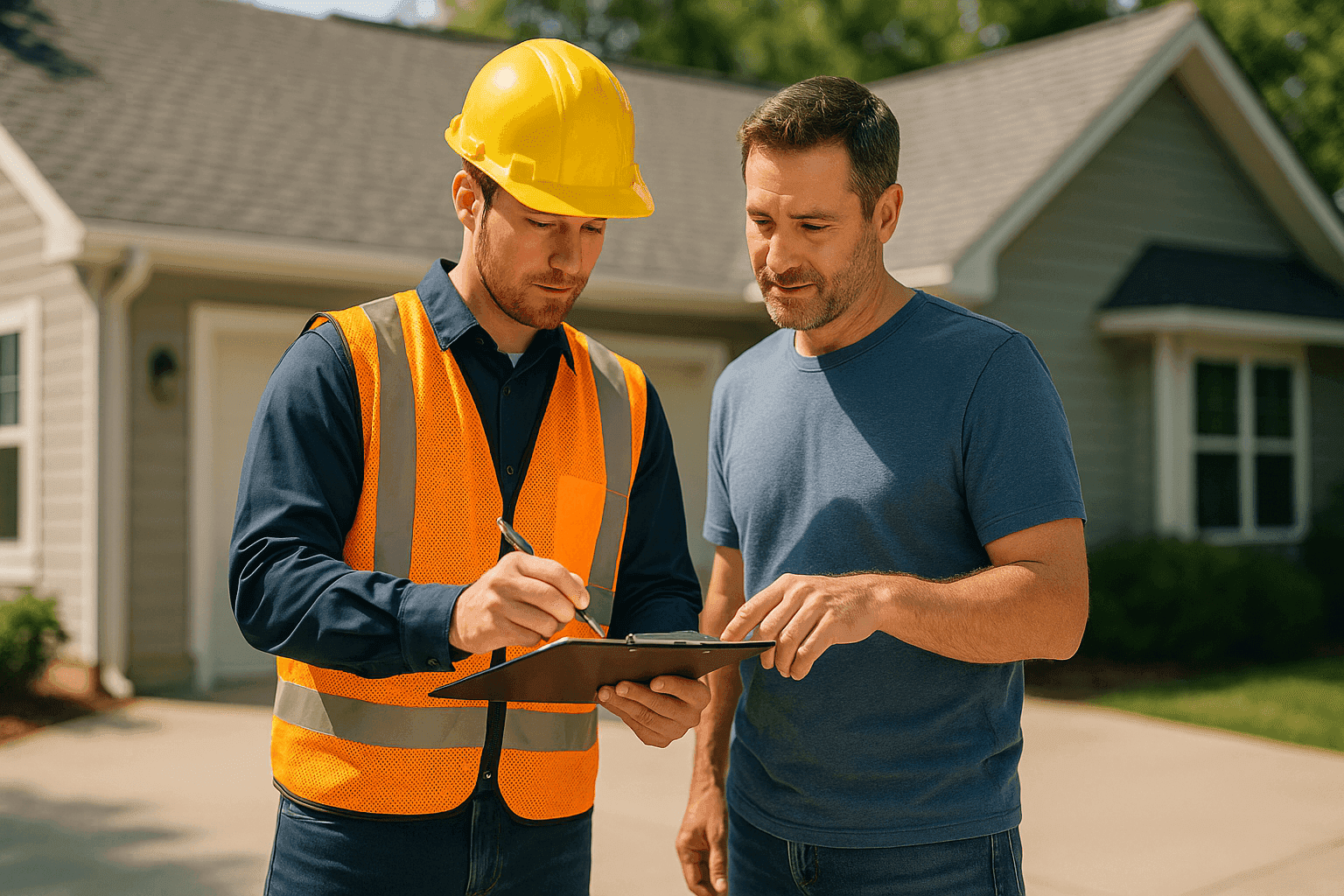
Sometimes your roof throws you a curveball. One day, everything seems fine. The next, you’re staring at a water stain on the ceiling or picking up shingles in the yard after a storm. Whether you own a home or manage a business, roof trouble rarely waits for a convenient moment.
At Sammy Roofing, we know the stress that comes with emergency roofing calls. You need answers, not guesswork. Let’s pull back the curtain on what really goes into the cost of roof repair, so you’re ready—no matter what the weather brings.
Factors Affecting Roof Repair Costs 🏠
Roof repair isn’t a one-size-fits-all project. Like picking a car or a pair of shoes, the right fit (and price) depends on a few critical details:
- Roof Size & Complexity: The bigger and steeper your roof, the more time and materials it takes to fix.
- Material Type: Asphalt shingles, metal, tile, or flat roofs—each brings its own price tag.
- Extent of Damage: A small leak is a very different job than widespread storm damage.
- Accessibility: Multi-story buildings or tight spaces can mean extra labor and equipment.
- Labor Costs: Skilled labor varies by region and project difficulty.
- Emergency vs. Scheduled Repair: After-hours, urgent calls can bump up costs.
- Permits & Code Requirements: Local building codes may require specific repairs or upgrades (refer to the International Building Code for general guidelines).
Think of your roof like a layered cake. The more layers and the fancier the icing, the more it’s going to cost to fix if something goes wrong.
Typical Price Ranges by Material (Shingle, Metal, Tile, Flat)
Every roof material comes with its own story—and price point. Here’s what homeowners and businesses typically see for common repair types:
Asphalt Shingles
- Most common material for homes.
- Repair cost range: $350 – $1,500 for minor issues; major repairs can reach $3,000+.
- Why? Shingles are easy to source and replace, but underlying damage can add up.
Metal Roofing
- Popular for both commercial and residential.
- Repair cost range: $500 – $3,000 depending on panel size and type.
- Why? Metal can last decades, but repairs often require matching panels and specialized work.
Tile Roofing
- Classic look, especially in warmer climates.
- Repair cost range: $700 – $2,500 for broken or slipped tiles, more for underlying deck or structure issues.
- Why? Tiles are durable but expensive to replace and can be fragile to walk on.
Flat Roofs
- Common on commercial and some modern homes.
- Repair cost range: $400 – $2,000+ for patching and sealants; major leaks or ponding can drive costs higher.
- Why? Flat roofs need special materials and techniques to prevent water pooling.
Pro Tip: Emergency roofing repairs (outside normal hours or after storms) typically add 20%–30% to standard rates.
Residential vs. Commercial Costs
“Why does my office roof cost more to fix than my neighbor’s home?” It’s a fair question, and the answer is in the details.
Residential Roofing
- Less complex shapes and smaller square footage.
- Lower access challenges—usually a single story.
- Repairs often simpler, using standard materials.
Commercial Roofing
- Larger areas, often flat or low-slope.
- More layers (insulation, membranes, coatings).
- Special equipment or safety gear may be required.
- Repairs may need to meet stricter building codes or insurance standards.
The bottom line: Commercial roof repairs can run 30%–50% higher for similar issues. More material, more labor, and sometimes, more red tape.
Repair vs. Replacement: How to Decide 🔄
This is the classic fork in the road. Patch up the problem, or go all-in on a new roof?
When Repair Makes Sense
- Damage is localized (a few shingles, flashing, or a single leak).
- Roof is less than 10–15 years old (for most materials).
- No major structural or mold issues beneath the surface.
When Replacement Is Smarter
- Widespread shingle loss, curling, or cracking.
- Multiple leaks or recurring problems.
- Roof is nearing the end of its expected life (e.g., 20–25 years for shingles, 40+ for metal).
- Significant storm, fire, or tree damage.
It’s a bit like repairing an old car—sometimes a tune-up works, but sometimes it’s time for a new ride.
How to Get an Accurate Quote 📋
No one likes surprise costs. Here’s how to make sure you know what you’re signing up for:
- Request a detailed written estimate. Insist on line items for materials, labor, disposal, and any extras.
- Ask about inspection fees. Some companies charge for the roof inspection, others don’t.
- Check what’s included. Are permits, haul-away, and clean-up part of the quote?
- Clarify emergency services. If you need “emergency roofing” after hours, ask about surcharges upfront.
- Don’t be shy about questions. If something isn’t clear, ask. A trustworthy roofing crew will walk you through the numbers.
Industry Reference: The National Roofing Contractors Association recommends requesting a scope of work with every quote.
Practical Tips for Budgeting Roof Repairs
Money matters. Here’s how to stretch your dollar while protecting what matters most:
- Build a roofing emergency fund. Even $20/month adds up over time.
- Schedule regular inspections (twice a year, ideally spring and fall) to catch small issues before they grow.
- Ask about eco-friendly options like cool roof coatings or recycled materials—they can save money in the long run.
- Group repairs. Fixing several issues at once can reduce labor and material costs overall.
Avoiding Hidden Fees & Common Pitfalls
Hidden fees can sneak up like a leaky gutter during a downpour. Here’s how to dodge them:
- Get everything in writing. If it’s not on paper, it’s not part of the deal.
- Beware of “too good to be true” prices. They often don’t include disposal, permits, or quality materials.
- Check for local code requirements. Some cities require upgrades (like hurricane straps or fire-retardant barriers) during repairs.
- Ask about warranties on materials and workmanship. Understand what’s covered—and what isn’t.
Frequently Asked Questions
How long does a typical roof repair take?
Most minor repairs wrap up in a day. Bigger jobs—replacing flashing, skylight repair, or structural fixes—can take several days, especially if weather slows things down.
Will my homeowner’s or business insurance cover the repair?
It depends. Insurance typically covers sudden damage from storms, fire, or falling trees—not wear and tear or lack of maintenance. Always check your policy before work starts.
Is it safe to stay open during a commercial roof repair?
Often yes, but some repairs (like structural work or major leak repairs) may require partial closure. Your roofing crew will advise if any areas should be off-limits.
Can I do minor roof repairs myself?
Some small fixes (clearing gutters, replacing a shingle) are DIY-friendly. But for anything more, or for emergency roofing, it’s safest—and smartest—to call in a pro.
Local & Seasonal Considerations 🌦️
Roof repair costs aren’t the same everywhere. Here’s what to keep in mind:
- Climate: Heavy snow, high winds, or frequent storms (think Gulf Coast or Midwest) can mean higher repair rates due to risk and demand.
- Building Codes: Some regions require specific materials or methods for safety (check with your local building department).
- Season: Busy seasons (late spring, after storms) can nudge prices up. Scheduling in off-peak months may save you money.
Ready to Get Started?
Roof trouble doesn’t wait. Whether you need roof flashing repair near you, commercial leak repair, or help after a storm, Sammy Roofing is ready to answer your questions—day or night.
Call Sammy Roofing now — or reach us anytime at 877-359-9286 .