Choosing the Right Roofing Material: Metal, Tile, or Shingle?
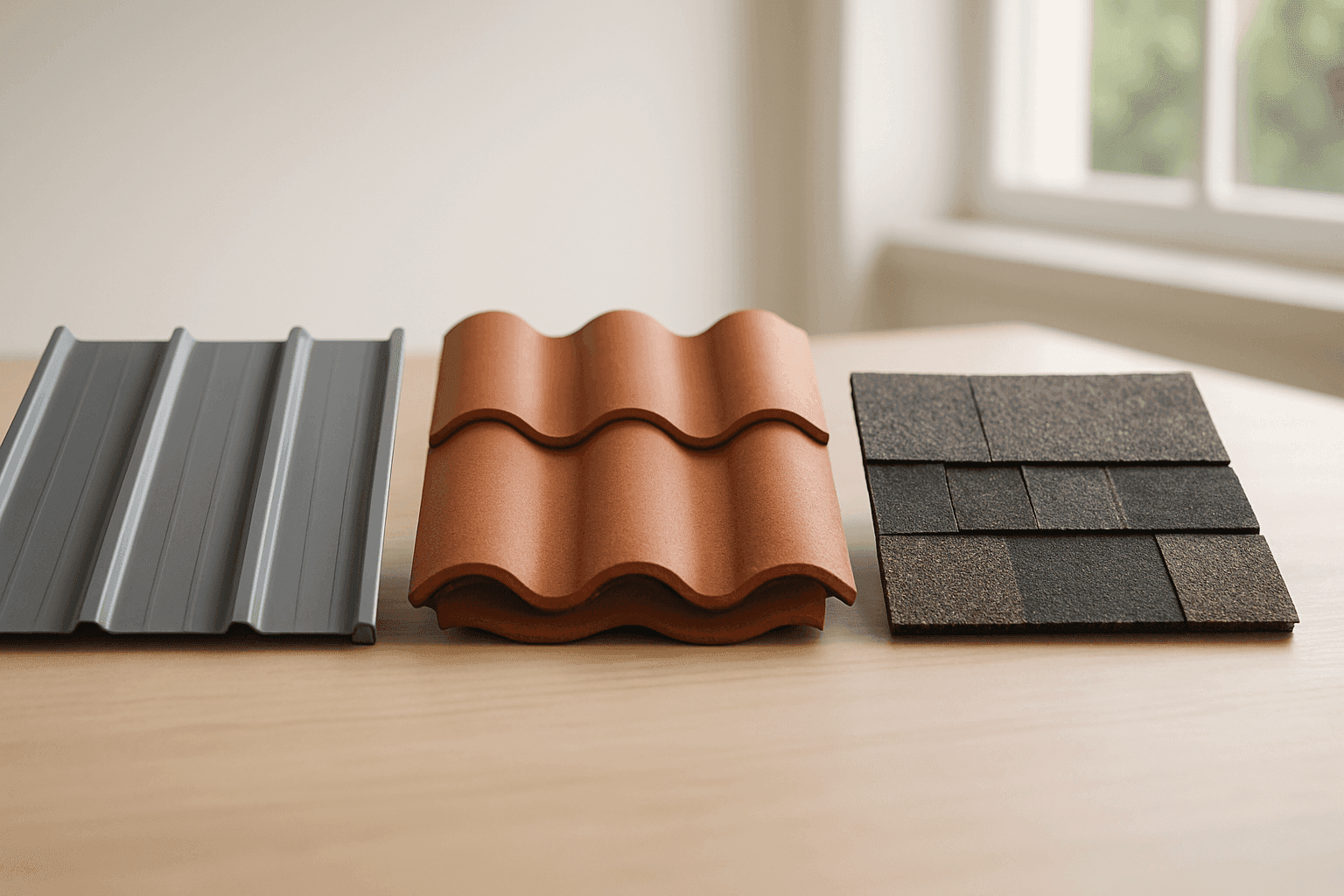
When it comes to your roof, the stakes are sky-high. Whether you’re patching up storm damage, replacing an aging surface, or building something brand new, the wrong material can cost you—literally and figuratively. At Sammy Roofing, we know that every roof is different. Homeowners and business owners alike face a maze of choices, especially when the clock is ticking after emergency roofing events.
You want a roof that stands strong against the elements, looks good, and makes sense for your budget and climate. We get it. Here’s what you need to know before you make your decision.
Pros and Cons of Metal, Tile, and Shingle Roofs ⚖️
Let’s break it down like you’re comparing three cars: a reliable sedan (shingle), a rugged off-roader (metal), and a timeless classic (tile).
Shingle Roofs
- Pros:
- Quick to install—great for emergency roofing or sudden repairs.
- Lower upfront cost.
- Wide variety of colors and styles to match almost any home.
- Easy to repair in sections.
- Cons:
- Shorter lifespan (typically 15–30 years, depending on quality).
- Susceptible to high winds and rapid temperature changes.
- Can deteriorate under constant sun or frequent hail.
Metal Roofs
- Pros:
- Long lifespan—often 40–70 years.
- Excellent in severe weather: sheds snow, shrugs off hail, and resists fire.
- Reflects sunlight, reducing cooling costs in hot climates.
- Lightweight, putting less stress on your home’s structure.
- Cons:
- Higher upfront cost.
- Can be noisy in heavy rain without proper insulation.
- Prone to denting from large hail or falling branches.
Tile Roofs
- Pros:
- Timeless curb appeal—think Spanish villas or historic bungalows.
- Extremely durable (50–100 years).
- Excellent in hot, dry climates; naturally fire-resistant.
- Made from earth-friendly materials like clay or concrete.
- Cons:
- Heavy—may require extra structural support.
- Fragile to walking or falling debris.
- Higher material and installation costs.
It’s a bit like picking between a cozy fleece, a rain jacket, and a sturdy leather coat. Each has its season (and reason).
How to Match Material to Climate & Architecture 🏙️
Your roof isn’t just a hat for your building. It needs to work with your climate and style.
- Hot, dry regions: Tile roofs shine here. They keep homes cool and last for decades.
- Snowy, icy climates: Metal roofs are a favorite. Snow slides off. Metal resists freeze-thaw cycles and won’t absorb water.
- Storm-prone, high-wind areas: Shingles rated for impact and wind can work, but metal is often more reliable for emergency roofing.
- Historic districts or classic homes: Tile or architectural shingles can preserve a building’s character (and may be required by local codes).
- Modern, minimalist designs: Metal’s clean lines fit right in.
Check with your local building codes and historic commissions before making changes. For example, the International Building Code (IBC) and Residential Code (IRC) have specific requirements for fire, wind, and structural load, especially for tile and metal installations.
Cost, Durability, and Maintenance Comparison 💸
Let’s talk numbers. But remember, exact costs depend on your region, roof shape, and labor rates.
- Shingle Roofing: Lower initial price, but may need replacing sooner. Maintenance includes replacing damaged or missing shingles and regular inspections.
- Metal Roofing: Higher upfront investment, but fewer repairs and longer lifespan. Occasional checks for loose fasteners, sealant wear, or dents.
- Tile Roofing: Most expensive to install. However, when maintained, tile can outlast most owners. Periodic cleaning and replacing cracked tiles are typical.
Durability:
- Shingles: 15–30 years
- Metal: 40–70 years
- Tile: 50–100 years
Maintenance:
- Shingle: Inspect after storms, clean gutters, replace as needed.
- Metal: Inspect seams and coatings, keep gutters clear, watch for rust.
- Tile: Check for cracked tiles, clear debris, reinforce underlayment as required.
The old saying fits: “Pay now or pay later.” Decide what matters more to you—lower initial costs or fewer headaches down the road.
Eco-Friendly and Energy-Efficient Options 🌱
Worried about your footprint? Good news—each material has green options.
- Shingle: Look for recycled-content asphalt shingles. Some are now recyclable at the end of their life.
- Metal: Most metal roofing contains recycled steel or aluminum—and is 100% recyclable down the line. Metal’s reflective coatings can also lower cooling bills.
- Tile: Clay and concrete tiles are made from natural materials and can last a century, cutting down on landfill waste.
Consider insulation and ventilation, too. A well-ventilated attic and proper insulation can reduce energy bills and extend your roof’s life, no matter the material. Refer to ENERGY STAR® and Cool Roof Rating Council guidelines for energy-efficient roof products.
Choosing the Right Installer 🔨
The finest roofing material means nothing without expert installation. Poorly installed roofs—no matter the type—can leak, fail early, or void manufacturer warranties.
Here’s what to look for:
- Experience with your chosen material: Metal, tile, and shingle installations all require different skills.
- Proper licensing and insurance: Ask to see credentials and proof of insurance to protect your property.
- References and case studies: A reputable roofer can show previous projects similar to your own.
- Emergency roofing response: For urgent needs like roof flashing repair near you, make sure your roofer offers swift, reliable service.
At Sammy Roofing, we have handled everything from new roof installations on historic homes to large-scale commercial flat roofs. Our team keeps up with changing codes and uses manufacturer-recommended techniques, whether it’s storm damage restoration or preventative maintenance.
Real-World Examples: What Works Where
- Case Study: A local boutique hotel upgraded from aging shingles to standing-seam metal after repeated storm damage. Result? Lower insurance premiums and zero leaks after the next hurricane.
- Case Study: A historic home in a preservation district replaced its crumbling tile roof with new clay tiles, following city guidelines. The new roof matched the original look and easily passed inspection.
- Manufacturer Data: According to the Metal Construction Association, properly installed metal roofs can withstand winds up to 140 mph. The National Roofing Contractors Association (NRCA) recommends Class 4 impact-rated shingles for hail-prone areas.
Roof Material FAQ
What roofing material lasts the longest?
Tile roofs typically have the longest lifespan (up to 100 years), followed by metal (up to 70 years), with shingle roofs lasting 15–30 years, depending on quality.
Which material is best for emergency roofing?
Metal is often best for urgent repairs due to its durability and quick installation. High-quality shingles can be installed fast but may not offer the same longevity in extreme conditions.
Are eco-friendly roof options more expensive?
Not always. Recycled-content metal and cool roof shingles are increasingly affordable. While tile is pricier upfront, its long life can make it cost-effective over time.
Can I mix materials?
Sometimes. Consult with your roofer and check local codes. Mixing can work for certain architectural styles or roofing sections but requires careful planning.
Tips for Picking Your Roof
- Match material to your region’s weather and your home’s look.
- Consider long-term maintenance and energy savings.
- Always hire a roofer with experience in your material of choice.
- Ask about manufacturer warranties and recommended maintenance schedules.
- For emergencies, choose a team that responds fast and knows your area.
Conclusion: Your Roof, Your Rules
Choosing the right roofing material is like picking the right boots for a long hike—get it right, and you’ll have comfort and protection for years. Still not sure? Talk with a trusted roofer who knows your climate and architecture.
Call Sammy Roofing now — or reach us anytime at 877-359-9286 .